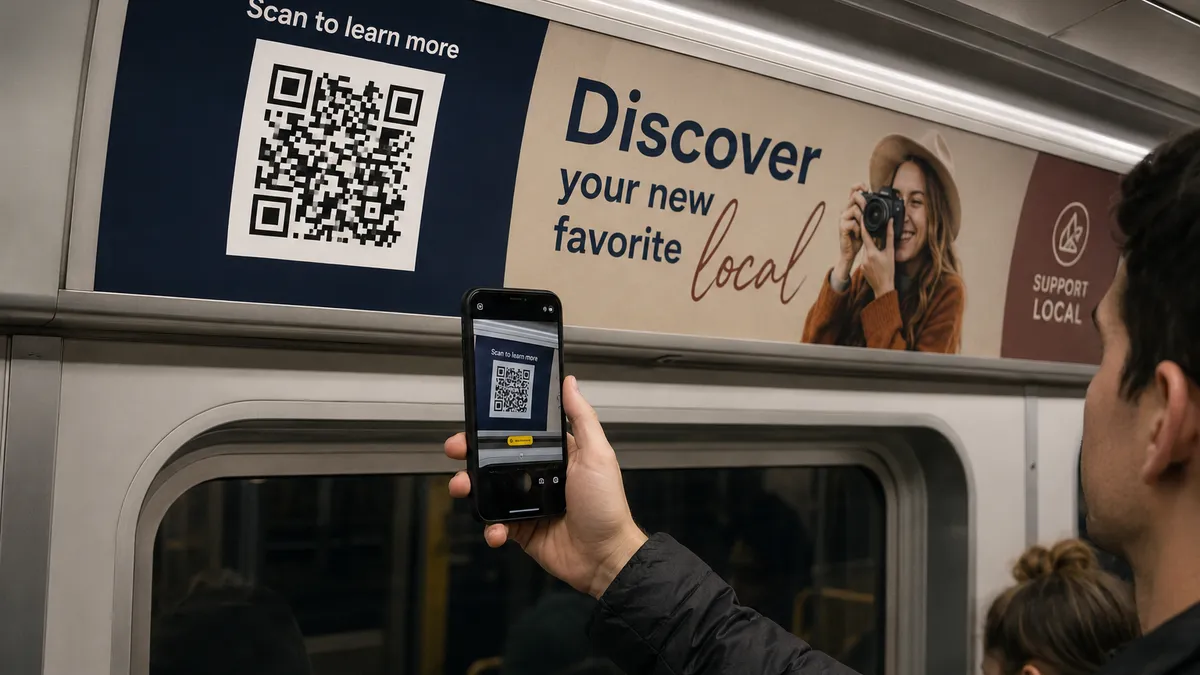
QR codes have become a valuable tool for connecting physical advertising with digital experiences. In transit environments, they allow brands to turn everyday journeys into opportunities for engagement by directing passengers to offers, websites, apps, bookings and interactive content.
For advertisers using formats such as London Underground advertising, QR codes can make campaigns more measurable while giving commuters a simple way to respond to a message. However, successful QR code campaigns depend on more than simply adding a code to an advert. Placement, design, messaging and the user journey all influence scan rates.
With passengers viewing adverts from different distances and for varying lengths of time, brands need to create QR codes that are easy to notice, simple to scan and valuable enough for people to engage with.
Design QR Codes for Visibility and Easy Scanning
A QR code needs to stand out within the wider advertising creative. Transit environments are busy, with passengers moving through stations, waiting on platforms and travelling through carriages. Clear design choices help ensure the code catches attention quickly.
Choose the Right Size for the Advertising Format
QR code size should match the distance from which passengers will view the advert.
Large-format placements, such as station posters, platform advertising and exterior transport formats, require larger QR codes because audiences may be further away. Smaller codes can work effectively on in-carriage adverts where passengers are closer and have more time to interact.
The surrounding space also matters. A QR code should have enough clear space around it so it remains easy for smartphone cameras to recognise.
Use Strong Contrast and Simple Designs
High contrast improves scan reliability. Dark QR codes placed on lighter backgrounds are generally easier for mobile devices to detect.
Avoid:
- Low-contrast colour combinations
- Busy backgrounds behind the code
- Excessive design elements around the scanning area
- Distorted or stretched QR codes
Keeping the QR code visually clear helps maintain performance across different lighting conditions, including busy Underground stations and commuter routes.
Use High-Quality Artwork Files
QR codes should always be added to advertising artwork using high-resolution formats. Vector files, such as SVG, help maintain sharpness when designs are resized for different transit advertising formats.
A blurred or pixelated QR code can prevent successful scans and reduce engagement from potential customers.
Place QR Codes Where Passengers Have Time to Engage
Location plays a major role in QR code performance. Transit advertising reaches audiences in different situations, from passengers rushing through stations to commuters waiting for trains.
The most effective placements are areas where people naturally pause or have enough time to interact.
Use Eye-level Placements
QR codes should be positioned where passengers can comfortably point their phones towards the advert.
Effective placements include:
- Platform advertising panels
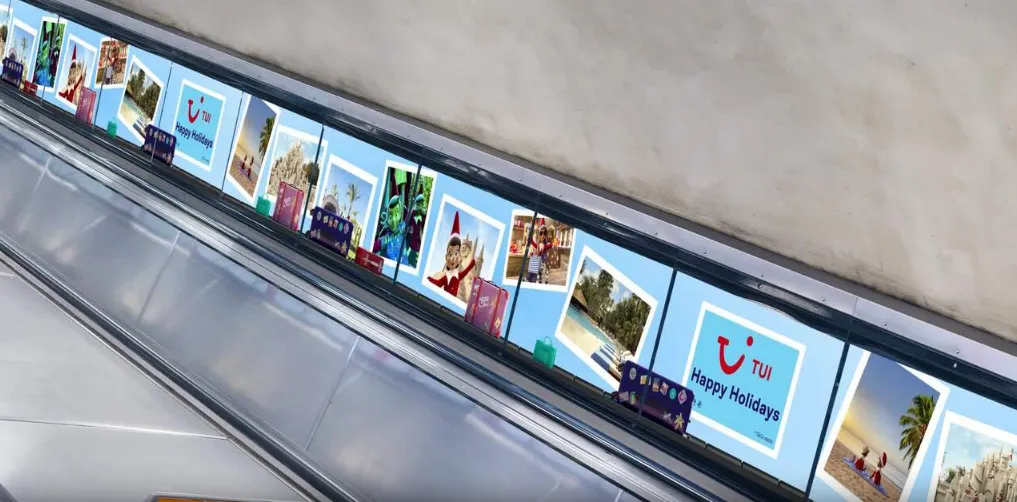
- Escalator panels
- Ticket gate areas
- Station posters
- In-carriage advertising
These locations allow passengers to view the message, understand the call to action and scan without needing to bend down or move into an awkward position.
Focus on Dwell-time Areas
Dwell time is one of the biggest advantages of transit advertising. Passengers waiting for trains or travelling inside carriages often have time to engage with relevant content.
For London Underground campaigns, QR codes can work particularly well on formats where commuters naturally pause, such as platform environments and inside train carriages.
Brands can use QR codes to encourage actions such as:
- Downloading an app
- Accessing exclusive offers
- Entering competitions
- Booking services
- Exploring product information
Avoid Difficult Scanning Locations
Some placements may reduce QR code effectiveness. Moving adverts or locations where passengers cannot safely stop and scan can create unnecessary barriers.
Advertisers should consider:
- Viewing distance
- Passenger movement
- Lighting conditions
- Time available to interact
A QR code should support the advertising message rather than make the audience work harder to access it.
Create Clear Calls to Action That Encourage Scans
A QR code alone does not tell people why they should interact. A clear call to action helps passengers understand what they will receive after scanning.
Effective examples include:
- “Scan to get 20% off”
- “Scan for exclusive offers”
- “Scan to book your tickets”
- “Scan to discover more”
The message should communicate value quickly. Commuters often make decisions within seconds, so the benefit of scanning should be immediately clear.
A strong call to action can turn a simple advert into an interactive experience that encourages further engagement.
Optimise the Mobile Experience After the Scan
The QR code is only the first step. The destination page must provide a smooth experience once passengers scan.
A successful landing page should:
- Load quickly on mobile devices
- Be easy to navigate on smaller screens
- Match the advert’s messaging
- Make the next action simple
For example, an advert promoting a special offer should direct users straight to the offer page rather than a general homepage.
A poor mobile experience can reduce conversions even when a campaign achieves strong scan numbers.
Use Dynamic QR Codes for Flexible Campaigns
Dynamic QR codes give advertisers greater control over campaign management. This is useful for transit campaigns because advertising placements often run for set periods across multiple locations.
Benefits include:
- Updating landing pages during a campaign
- Correcting broken links quickly
- Tracking scan activity
- Measuring audience engagement
- Testing different destinations
Dynamic QR codes help brands understand how audiences interact with physical advertising and make improvements based on campaign data.
Measure QR Code Campaign Performance
One of the biggest advantages of QR codes in transit advertising is the ability to connect offline activity with digital results.
Brands can monitor:
- Number of scans
- Campaign response rates
- Popular locations
- User behaviour after scanning
- Conversion actions
These insights help advertisers understand which messages, placements and formats perform best.
When combined with well-planned transport advertising strategies, QR code tracking provides valuable information for future campaigns.
Make QR Codes Part of a Wider Transit Advertising Strategy
QR codes are most effective when they support a wider campaign goal and fit naturally into the advert’s creative design. Brands can use them to offer discounts, promote events or drive users to digital experiences.
By combining clear messaging, strategic placement and measurable engagement, QR codes help brands create stronger connections with commuters. London Underground Advertising helps businesses choose the right Tube advertising formats and locations to reach passengers across London. Get in touch with us today to plan a transit advertising campaign that connects with commuters and drives meaningful engagement.
Latest News

03 Jun 2025 · 5 minute read
by Lilly Ashford
Marvel on the Move: Iconic London Underground Moments in the MCU
Our Valuable Clients, Past and Present


Schedule a call
Pick a date and time for a call that suits you.
We can go through all the available format options and any other questions you have about successfully launching your next advertising campaign.
Launch Your Tube Campaign Today!
Get your brand in front of millions of Londoners and tourists as they move through the city. Just fill in your details on the form to advertise on the London Underground and our expert team will be in touch to kickstart your journey towards standout, high-impact results.
Join thousands of brands that stand out and connect with the transport network’s users.