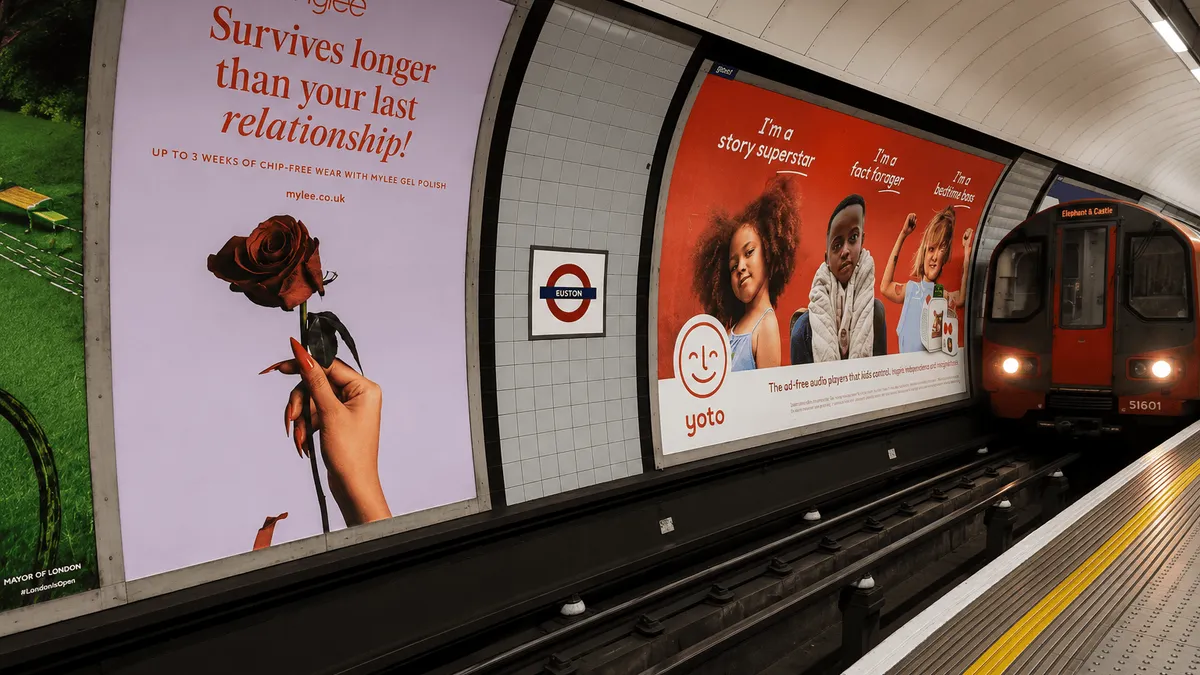
The best time to advertise on the London Underground depends on your audience, campaign objective and the moment you want to reach them. January can suit brands connected with fresh starts and new decisions, summer brings opportunities around visitors and leisure journeys, autumn sees established commuter routines, and the run-up to Christmas is particularly relevant for retail and entertainment.
The key is to consider when your audience is travelling, why they are travelling and where their journeys take them. A campaign aimed at tourists has a different seasonal window from one targeting professionals travelling into London's business districts.
With static and digital London Underground advertising available across stations, platforms and carriages, brands can plan their presence around the periods that make the most sense for their campaign.
Rather than simply choosing the busiest month, it is worth looking at how different parts of the year can support different advertising objectives.
Tube Advertising Opportunities Throughout the Year
London Underground advertising can be used throughout the year. The strongest campaign window depends on what the brand needs to achieve.
As a starting point:
- January to March can suit campaigns around new year decisions, fitness, finance, education, recruitment and business services.
- April and May can support spring launches, retail, leisure, entertainment and Easter related campaigns.
- June to August can be relevant for tourism, attractions, hospitality, events and other leisure focused brands.
- September and October can suit campaigns targeting commuters, professionals, students and autumn purchasing periods.
- November and December are particularly relevant for Christmas retail, gifting, entertainment, food and consumer campaigns.
These are planning windows rather than fixed rules. A product launch in June should not be delayed until September simply because autumn may suit the category more generally.
Campaign timing should follow the audience and objective first.
January and Early Spring for New Decisions
January naturally brings attention to plans for the year ahead. People return to work after Christmas, set personal goals and reconsider products and services they use.
That creates a useful context for brands in areas such as:
- Fitness and wellbeing
- Financial services
- Education and training
- Recruitment
- Technology
- Subscription services
- Business services
The opportunity continues into February and March as the year settles into a more established routine.
For B2B advertisers, this part of the year can also provide a useful window for campaigns connected with new business priorities, services and purchasing decisions.
The message should reflect the reason the brand is advertising at that particular moment. A generic campaign does not automatically become more relevant because it runs in January.
Late Spring for Launches and Leisure Campaigns
April and May bring Easter, bank holidays, changing weather and more leisure activity around the city.
Brands can use this period to support spring product launches or reach audiences travelling for shopping, entertainment, dining and days out.
Relevant sectors can include:
- Fashion and beauty
- Food and drink
- Retail
- Entertainment
- Attractions
- Travel
- Leisure
- Consumer products
Station selection can make the timing more meaningful.
A campaign promoting a West End experience, for example, can concentrate activity around stations used for entertainment and leisure journeys. A retail advertiser may place greater emphasis on stations serving major shopping areas.
This is where timing and location start working together.
Summer for Visitors and Leisure Audiences
Summer changes the mix of people travelling around London.
Visitors use the Underground to move between accommodation, landmarks, restaurants, shopping districts, theatres and attractions. Leisure journeys also become an important consideration during school holidays and the wider events calendar.
This can make June, July and August relevant for:
- Tourist attractions
- Theatre
- Entertainment
- Hotels
- Restaurants
- Travel companies
- Retail
- Events
- Food and drink
- Consumer brands
London Underground Advertising has previously highlighted formats including 6 sheet posters, escalator panels, Tube Car Panels, station takeovers and digital displays for tourist season campaigns.
Brands should still think carefully about where their particular audience is likely to travel.
A tourist focused campaign may benefit from stations around central London and major arrival points. A summer event campaign might concentrate much more closely on the stations and routes connected with its venue.
The season provides the context. The audience journey determines the media plan.
September and October for Established Routines
September marks a change in London's annual rhythm as summer holidays end and many commuters, students and professionals return to established routines.
For advertisers, this can create a useful window before the Christmas advertising period begins.
September and October can be relevant for:
- Technology
- SaaS
- Financial services
- Recruitment
- Education
- Fashion
- Retail
- Business services
- Entertainment
Brands targeting professional audiences can plan around stations serving business areas, while student focused campaigns can concentrate on routes and locations relevant to universities and younger audiences.
Autumn is also an important launch period for many businesses. If a new product, service or campaign needs awareness during the final months of the year, Tube advertising can provide repeated presence as regular journeys become established again.
November and December for Retail and Christmas Campaigns
The weeks leading up to Christmas create an important advertising window for many consumer facing brands.
People are travelling around London for work, shopping, dining, entertainment, events and social occasions. That gives advertisers several different audience journeys to consider.
The period can be particularly relevant for:
- Retail
- Fashion and beauty
- Consumer technology
- Food and drink
- Gifting
- Entertainment
- Restaurants
- Events and attractions
Location should follow purchasing behaviour.
Retail brands can consider stations serving major shopping areas, while entertainment advertisers may prioritise locations around theatres, cinemas and leisure destinations.
Brands planning for November and December should also consider availability early. Popular formats and stations can attract stronger demand around major commercial periods, so leaving the booking process too late can restrict the available options.
Major London Events Can Change the Best Time to Advertise
Seasonality is only one way to decide when a Tube campaign should run.
London's calendar includes sporting events, concerts, exhibitions, festivals, cultural occasions and major entertainment launches throughout the year. These moments can create concentrated audience movements that are highly relevant to particular brands.
An event led campaign should consider:
- When people begin travelling to the event
- Which Underground lines they are likely to use
- Important interchange stations on their journey
- Stations closest to the venue
- Where audiences may travel before and after the event
This approach can create a more precise campaign window than simply selecting a month because overall passenger numbers are expected to be strong.
A two week campaign aligned with the right event and audience can make more strategic sense than choosing a longer period without the same contextual relevance.
The Best Time for Retail Brands
Retail campaigns should consider the moments when purchasing intent is likely to increase.
Relevant periods throughout the year can include:
- January sales
- Valentine's Day
- Easter
- Summer sales
- Back to school periods
- Autumn launches
- Black Friday
- Christmas
The specific product should determine which of these matters.
A beauty brand may have several relevant gifting and launch periods during the year. Fashion advertisers can plan around seasonal collections and sales. Consumer electronics brands may place greater emphasis on launches, Black Friday and Christmas.
London Underground advertising can then place the campaign within journeys towards shopping areas or provide repeated exposure during regular travel.
The Best Time for B2B Brands
For B2B advertisers, the strongest timing is generally connected with business activity rather than traditional consumer shopping seasons.
Periods when professional audiences are back into regular working routines can be particularly relevant.
January and early spring may align with new business priorities, while September and October can provide another useful window following the summer holiday period.
Location becomes especially important for these campaigns.
Rather than targeting the Underground network broadly, advertisers can identify stations and routes connected with the professional audiences they want to reach.
The same principle applies to timing. The campaign should run when the message is commercially relevant to those decision makers.
The Best Time for Entertainment Campaigns
Entertainment campaigns usually have a defined date to work towards.
A film release, theatre opening, streaming launch, exhibition or live event gives the advertiser a clear point around which to plan the campaign.
Advertising can begin before the launch to build awareness and continue around the release period when audiences are able to act.
The Underground offers formats ranging from smaller in station posters to large cross-track displays, digital screens and station takeovers.
For major releases, larger formats can establish a strong visual presence. Campaigns requiring more widespread repetition may use a network of smaller placements across relevant stations.
The campaign window should ultimately give the audience enough time to notice the message before the key date.
Book Around the Campaign Window
Knowing when you want to advertise is different from knowing when you should start planning.
Brands should leave enough time to select stations, check inventory, confirm formats, prepare creative and meet artwork deadlines.
Planning ahead becomes particularly important when:
- The campaign must run on fixed dates
- Specific stations are essential
- Premium formats are required
- The activity is tied to Christmas or another busy period
- A station takeover is being considered
- Several formats need to launch together
Advertisers with greater flexibility may have more options when it comes to available stations and formats.
This is why campaign timing should be discussed during the initial planning stage rather than after the media plan has already been decided.
Match the Format to the Campaign Period
Timing also influences which Tube advertising format makes sense.
The London Underground currently provides advertising opportunities across stations, platforms and train carriages, with both static and digital formats available.
Depending on the campaign, brands can consider:
- Tube Car Panels for visibility during the passenger journey.
- 6 sheet formats for repeated presence across station environments.
- Large cross-track posters for bold creative facing waiting passengers.
- Digital screens for animated or changeable campaign messages.
- Digital Gateway screens around important points within the station journey.
- Station takeovers for campaigns seeking a concentrated branded presence.
Digital formats can be particularly useful when timing is central to the creative. Underground digital inventory can support scheduled and changeable messaging, allowing advertisers to adapt content during a campaign.
The format should therefore be selected alongside the campaign window, audience and station strategy.
Choose Stations Around Seasonal Audience Movement
The busiest station is not automatically the best station for every campaign.
A stronger approach is to consider where the target audience is likely to be during the selected period.
A summer tourism campaign may prioritise central London destinations and major transport gateways. A Christmas retail campaign can focus on shopping areas. A B2B campaign may concentrate on business districts and important commuter routes.
This helps answer three important planning questions:
Who are we trying to reach?
Where are they likely to travel?
When will the campaign be most relevant to them?
Once those questions have clear answers, station and format selection becomes much easier.
Finding the Right Time for Your Tube Campaign
The best time of year to advertise on the London Underground is when your audience, message and campaign objective align.
A well timed London Underground campaign considers when the audience is travelling, what they are doing at that point in the year, where they are moving through London and which advertising format fits that journey.
If you are planning an upcoming Tube campaign, get in touch with London Underground Advertising to discuss the right time, locations and formats for your brand.
Latest News
25 Jun 2026 · 4 minute read
by Khuzaima Yamman
Creative Design Tips for Effective London Underground Advertising
.webp)
11 Mar 2025 · 2 minute read
by Penny Hargreaves
Travelling to Theatreland: Your Guide to London's West End
Our Valuable Clients, Past and Present


Schedule a call
Pick a date and time for a call that suits you.
We can go through all the available format options and any other questions you have about successfully launching your next advertising campaign.
Launch Your Tube Campaign Today!
Get your brand in front of millions of Londoners and tourists as they move through the city. Just fill in your details on the form to advertise on the London Underground and our expert team will be in touch to kickstart your journey towards standout, high-impact results.
Join thousands of brands that stand out and connect with the transport network’s users.