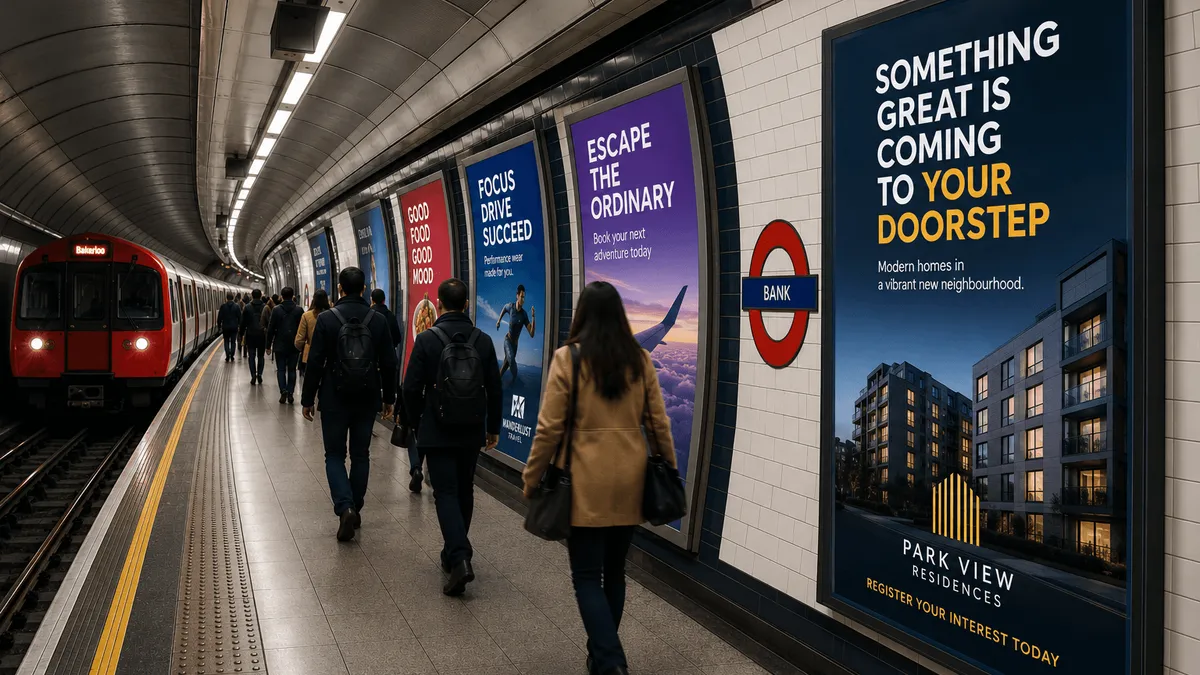
Choosing the right Tube stations for advertising is one of the most important decisions in an underground advertising campaign. The busiest station is not always the best option—the ideal location depends on your target audience, campaign objectives, commuter behavior, and where customers spend time.
A well-planned Tube advertising strategy can help brands increase awareness, influence purchasing decisions, and reach audiences during daily journeys.
1) Understand Your Target Audience
Before selecting stations, identify who you want to reach.
Consider:
- Age and demographics
- Lifestyle and interests
- Income levels
- Occupation
- Travel habits
- Areas they live, work, and visit
For example:
- A luxury brand may focus on stations near premium shopping districts.
- A recruitment campaign may target commuter-heavy business areas.
- A restaurant or retail brand may choose stations close to high-footfall locations.
The best station is the one where your audience is most likely to be present.
2) Analyse Passenger Numbers and Footfall
High passenger volumes can increase campaign exposure, but volume alone should not determine your choice.
Look at:
- Daily passenger numbers
- Peak commuting periods
- Weekend traffic
- Seasonal changes
- Passenger movement patterns
A station with slightly lower traffic but a highly relevant audience can sometimes outperform a larger station.
3) Consider the Station Location
The surrounding area plays a major role in advertising effectiveness.
Strong station choices often include areas near:
- Shopping destinations
- Business districts
- Universities
- Tourist attractions
- Entertainment venues
- Residential communities
- Major events
A station should support the action you want customers to take.
For example, a retailer promoting a store opening should prioritize stations close to the store location.
4) Match Stations to Campaign Goals
Different objectives require different station strategies.
For brand awareness:
Choose:
- Major interchange stations
- High-traffic commuter hubs
- Central locations
For driving footfall:
Choose:
- Stations near your business
- Shopping areas
- Entertainment zones
For event promotion:
Choose:
- Stations near venues
- Travel routes used by attendees
For regional growth:
Choose:
- Stations connecting target communities
5) Consider Commuter Mindsets
Tube advertising is powerful because people often spend time waiting, walking, and travelling through stations.
Different areas create different mindsets:
- Morning commuters may respond to business and professional services.
- Evening travellers may be more receptive to retail, dining, and entertainment.
- Weekend audiences may be more focused on leisure and shopping.
Understanding when and where people see your message can improve campaign performance.
6) Choose the Right Advertising Format
The station is only one part of the strategy. The format determines how people interact with your message.
Options include:
- Platform posters
- Digital screens
- Escalator panels
- Ticket hall displays
- Station domination campaigns
- Large-format takeovers
High-impact formats can help brands create stronger visibility in busy environments.
7) Use Premium Stations for Brand Impact
Some stations offer stronger brand-building opportunities because of their size, location, and audience profile.
Premium placements can help businesses:
- Create standout campaigns
- Increase brand credibility
- Reach high-value audiences
- Generate stronger recall
These are often valuable for sectors such as the following:
- Finance
- Technology
- Automotive
- Luxury retail
- Hospitality
8) Combine Tube Advertising with Digital Campaigns
Tube advertising becomes more effective when combined with online activity.
A campaign could include:
- Station advertising to build awareness
- Paid search to capture demand
- Social media campaigns for engagement
- QR codes directing users to landing pages
- Email marketing to nurture leads
This creates a connected journey from awareness to conversion.
9) Measure Campaign Performance
Track whether your chosen stations are delivering results.
Useful measurements include:
- Website visits
- Brand searches
- QR code scans
- Social media engagement
- App downloads
- Customer enquiries
- Store visits
- Sales activity
Comparing performance across stations helps identify the best locations for future campaigns.
Latest News
02 Sep 2025 · 3 minute read
by Lilly Ashford
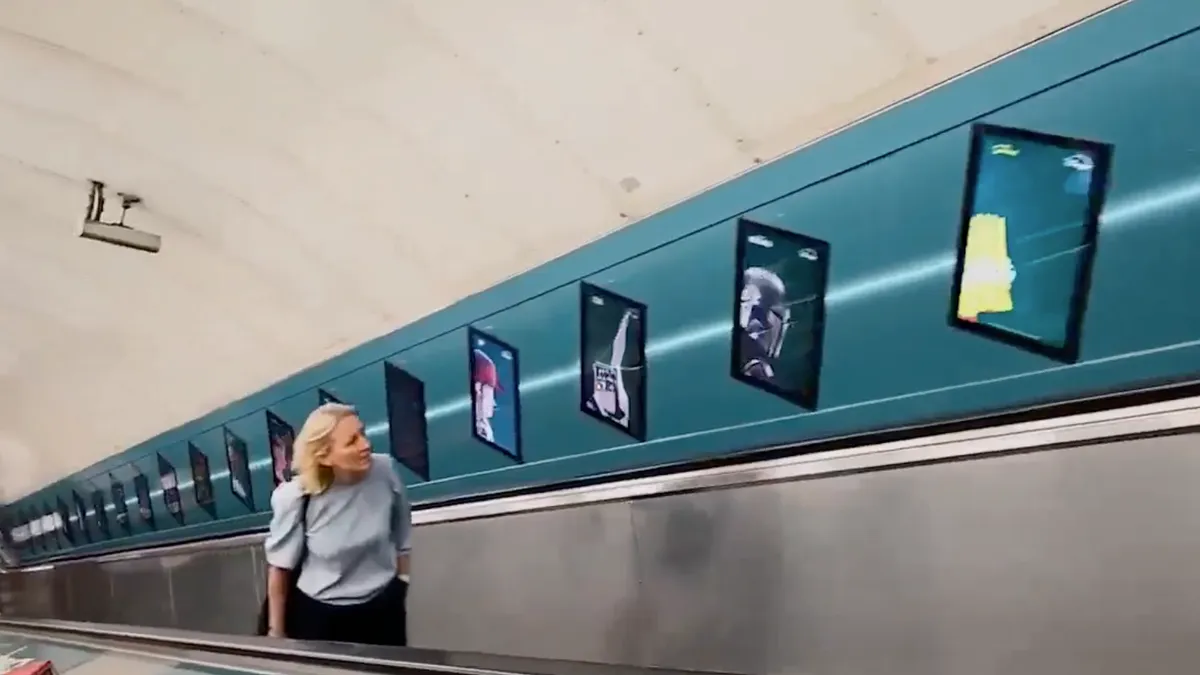
Disney Plus brings characters to life on London Tube escalators

02 Apr 2025 · 2 minute read
by Penny Hargreaves
Tube Car Panels: The Ultimate Advertising Format on the London Underground
22 Sep 2025 · 3 minute read
by Penny Hargreaves
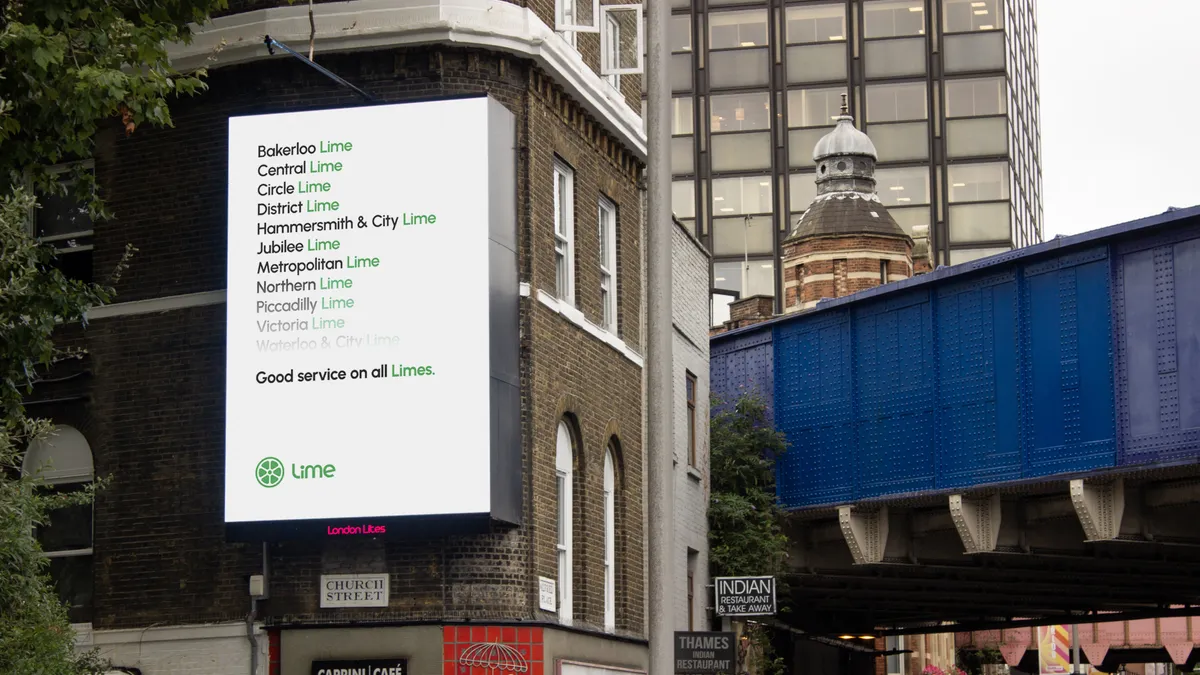
Playful Lime Bike Campaign Demonstrates Brand Power on the London Underground
Our Valuable Clients, Past and Present


Schedule a call
Pick a date and time for a call that suits you.
We can go through all the available format options and any other questions you have about successfully launching your next advertising campaign.
Launch Your Tube Campaign Today!
Get your brand in front of millions of Londoners and tourists as they move through the city. Just fill in your details on the form to advertise on the London Underground and our expert team will be in touch to kickstart your journey towards standout, high-impact results.
Join thousands of brands that stand out and connect with the transport network’s users.