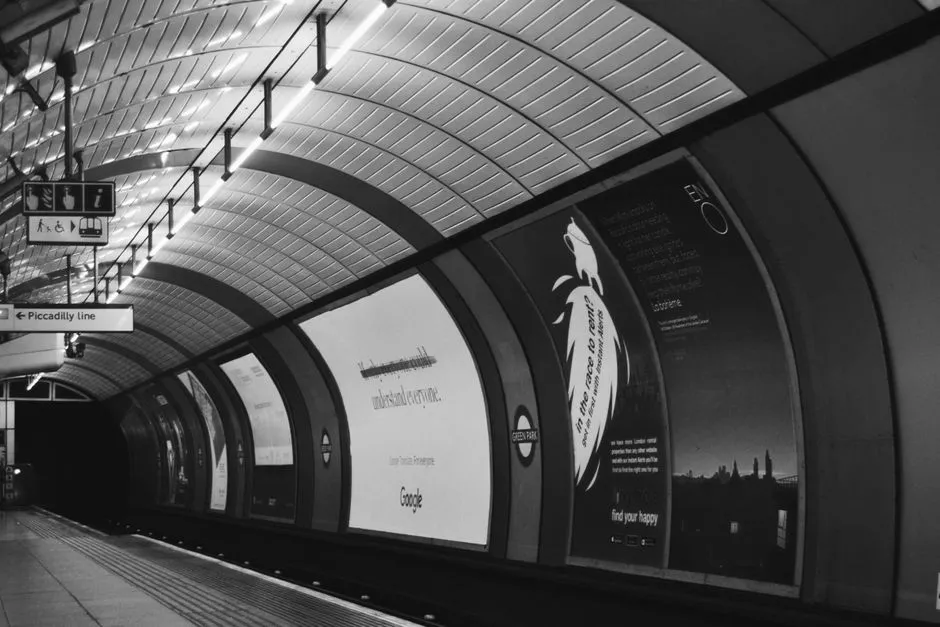
Benefits of advertising on London Tube
31 August 2026 · 6 minute read
by Penny Hargreaves
The London Underground is the oldest and one of the busiest metro systems in the world, moving over 1.3 billion passengers a year through 272 stations. That footfall and dwell time make the Tube a premium advertising environment, not just a transit network. Commuters spend an average of 43 minutes per journey, much of it standing on platforms or sitting in carriages, with nowhere else to look. That captive attention is difficult to buy anywhere else in the UK.
Unmatched reach across the capital
The Underground reaches every corner of London, from Zone 1 stations like Oxford Circus (serving 67 million passengers annually) and King's Cross St Pancras to outer zones in Harrow, Ealing, and Morden. Unlike outdoor formats that depend on passing traffic, Underground advertising appears in controlled, lit, indoor environments where visibility is guaranteed. Every journey involves multiple touchpoints: platforms, escalators, ticket halls, carriages, and corridors. A single campaign across the network can reach millions of Londoners within a week.
Stations cluster by audience type. Canary Wharf skews heavily to finance and professional services. Camden Town captures younger, culture-focused audiences. Heathrow terminals deliver international business travellers. That granularity lets advertisers choose locations by profile, not just by volume.
High dwell time and sustained exposure
Platform dwell time on the Underground averages 90 seconds. On busy lines like the Northern or Central, passengers wait in sight of platform posters for longer, sometimes three or four minutes during delays. Unlike a roadside billboard seen for two seconds, a 4 sheet advertising panel on a Tube platform is read, remembered, and noticed again on the return journey.
Escalator panels run the length of long ascents at stations such as Angel, Waterloo, and Leicester Square. Passengers stand facing the same direction, at eye level with the creative, for up to a minute. That is closer to print engagement than traditional out-of-home.
Commuter frequency and repetition
The typical London commuter uses the Tube ten times a week, following the same route. A campaign placed on their regular line delivers daily frequency without additional spend. That repetition builds recall far more efficiently than sporadic roadside exposure. Formats like 6 Sheet advertising at ticket gates or on platforms become part of the commuter's daily visual environment, reinforcing brand messaging through sheer familiarity.
Frequency applies to leisure travellers too. Weekend Tube users pass through major interchange hubs (Bank, Green Park, Liverpool Street) repeatedly. A well-placed campaign at those nodes reaches both regular commuters and occasional visitors in a single buy.
A controlled, weather-proof environment
Unlike outdoor billboards, Underground formats are unaffected by rain, fog, or poor light. Creative remains legible and vibrant year-round. That consistency is especially valuable during winter months when outdoor campaigns lose impact after dark or in bad weather. Tube advertising works the same way at 7am in January as it does at 7pm in July.
Format flexibility
The Underground offers a range of advertising formats to suit different objectives and budgets. Four-sheet and six-sheet posters are the workhorse formats, appearing on platforms, in corridors, and at ticket barriers. Larger 48-sheet and 96-sheet panels dominate ticket halls at major stations. Digital screens at key sites offer dynamic content and rotation across multiple advertisers.
Cross-track projection, where creative is displayed on the tunnel wall opposite the platform, creates large-scale impact on lines with island platforms (Jubilee, Northern). Carriage panels inside trains deliver a captive in-journey audience for the duration of the ride. Train wraps turn entire carriages into branded environments, though availability is limited and lead times are long.
Targeting by line and station
Advertisers can buy specific lines or individual stations rather than blanket network coverage. A retailer opening in Westfield can focus on the Central line (serving both White City and Stratford). A theatre production might target the Piccadilly line, which runs through the West End. A tech recruiter can concentrate on stations near Old Street and Shoreditch. That precision cuts waste and focuses spend where it matters.
Zonal buying is also possible. Zone 1 delivers the highest footfall and the broadest demographic mix. Zones 2 and 3 offer lower rates and access to residential audiences outside the tourist core.
Premium audience quality
The Tube skews toward higher-income, educated, and professionally employed audiences compared with other mass-transit formats. Office workers, students, and international visitors make up a large share of weekday ridership. That profile suits financial services, technology, luxury goods, entertainment, and professional education campaigns.
Even mass-market brands benefit. The Underground audience is urban, digitally connected, and more likely to act on advertising than a general population sample. A well-executed Tube campaign drives website traffic, store visits, and social engagement at rates that justify the premium.
Proven campaign performance
Brands return to the Underground year after year because the format delivers measurable results. Recall studies consistently show that Tube advertising outperforms roadside outdoor on aided and unaided awareness. Dwell time, frequency, and the enclosed environment all contribute to that performance.
Campaign case studies from sectors as varied as finance, streaming services, retail, and public health demonstrate that Underground advertising drives both short-term response and long-term brand building. The medium works for direct calls to action (QR codes, URLs, app downloads) and for sustained brand presence alike.
FAQs
What is the minimum spend for London Underground advertising?
There is no universal minimum, but smaller campaigns (a single station or short runs) typically start around £3,000 to £5,000 for a two-week period, depending on format and location. Larger network or line campaigns require significantly higher budgets.
How far in advance should I book a Tube advertising campaign?
Lead times vary by format and availability. Standard poster campaigns should be booked at least four to six weeks ahead. Digital screens, train wraps, and high-demand stations (Oxford Circus, King's Cross) often require three months or more.
Can I target specific demographic groups on the Underground?
Yes, by selecting stations and lines that over-index for your audience. Stations near universities reach students, financial-district stations reach professionals, and tourist hubs reach international visitors. Detailed passenger data by station is available through media owners and specialist agencies.
Do Underground advertising rates vary by time of year?
Yes. Rates are highest during peak retail periods (November and December) and around major events. January and August typically offer better availability and lower rates.
What formats work best for brand awareness versus direct response?
Large-format posters (48-sheet, 96-sheet) and cross-track projections build awareness through scale and repetition. Four-sheet and six-sheet posters at ticket gates or on platforms work well for direct response, especially with QR codes or short URLs that commuters can act on immediately.
"}31 August 2026 · Penny Hargreaves
Latest News
22 Sep 2025 · 3 minute read
by Penny Hargreaves
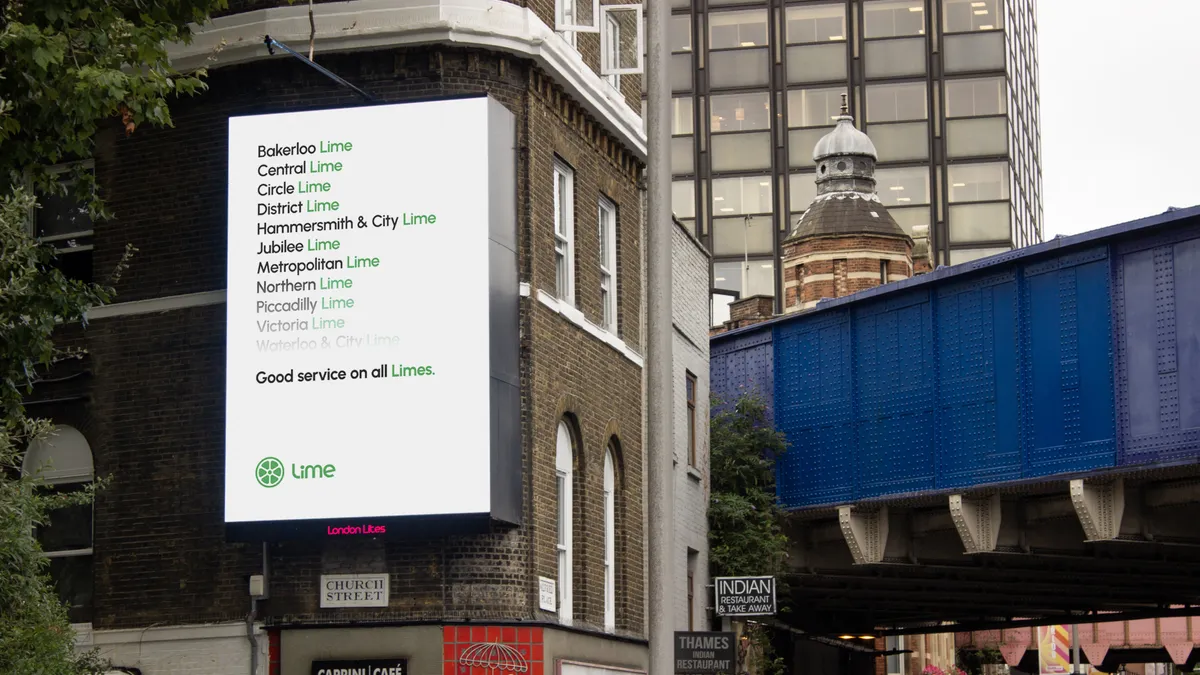
Playful Lime Bike Campaign Demonstrates Brand Power on the London Underground
23 Jan 2026 · 4 minute read
by Anisha Lyall
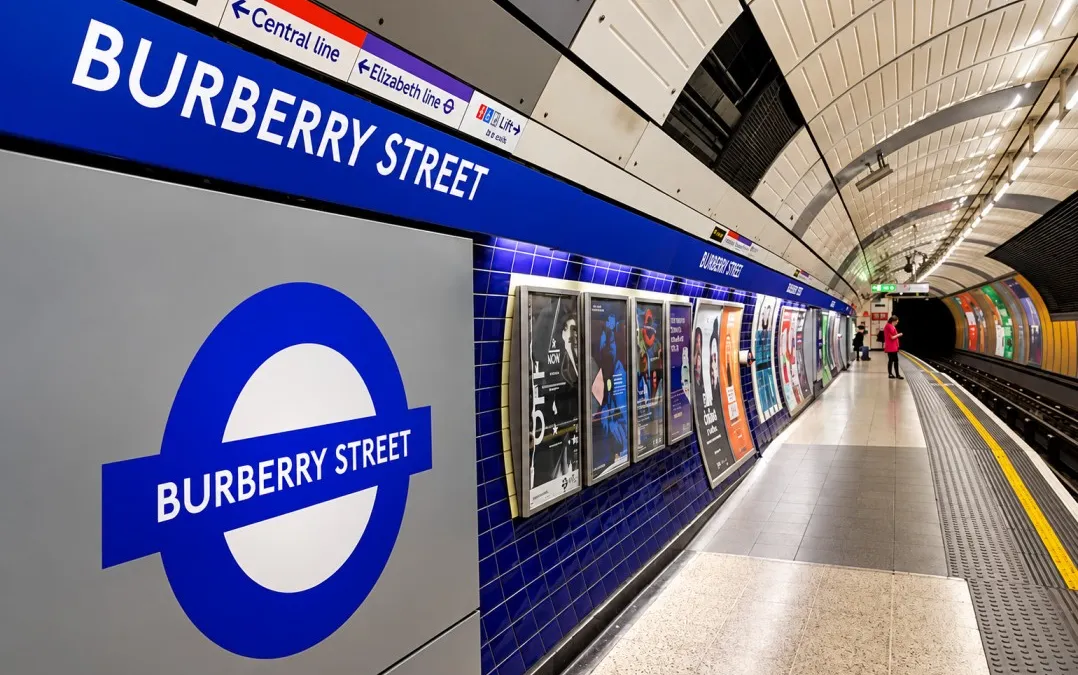
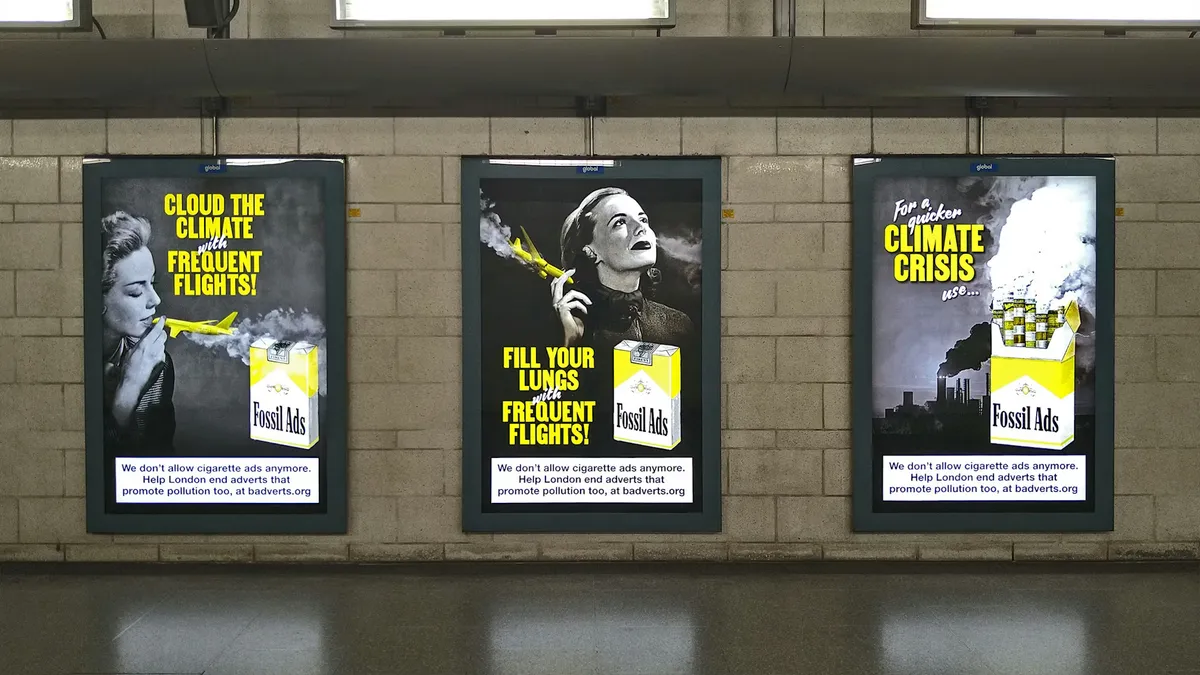
Satirical Fossil Ads Take Over a London Underground Station
Our Valuable Clients, Past and Present


Schedule a call
Pick a date and time for a call that suits you.
We can go through all the available format options and any other questions you have about successfully launching your next advertising campaign.
Launch Your Tube Campaign Today!
Get your brand in front of millions of Londoners and tourists as they move through the city. Just fill in your details on the form to advertise on the London Underground and our expert team will be in touch to kickstart your journey towards standout, high-impact results.
Join thousands of brands that stand out and connect with the transport network’s users.