When the Underground Becomes the Campaign
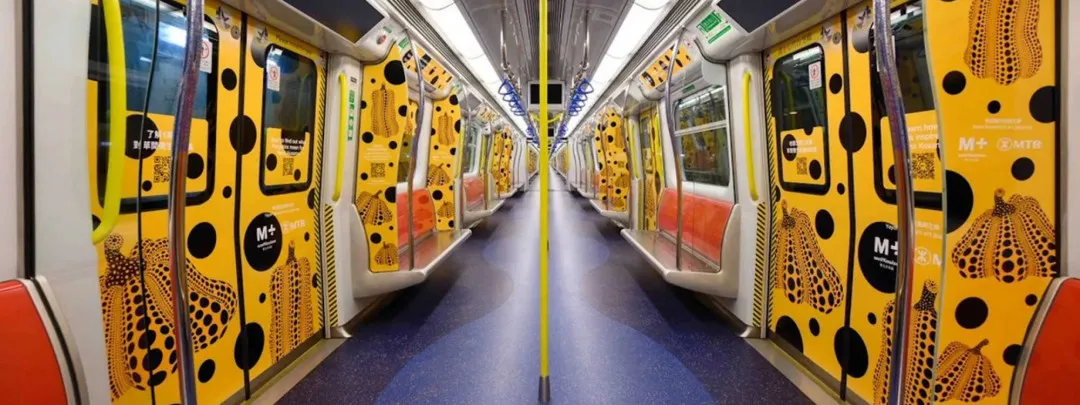
London Underground station domination sits at the very top end of transport advertising impact. Rather than appearing alongside other brands, a single advertiser takes over an entire station environment, from entrance corridors and escalators to platforms and interchange walkways.
For brands, the appeal is simple. Millions of commuters move through these spaces every week, often spending several minutes within the station itself. When done well, station domination turns routine travel into a fully immersive brand experience that cannot be skipped, scrolled past, or ignored.
From our perspective at London Underground Advertising, the most effective campaigns are those that understand the rhythm of commuter movement and use scale, repetition, and creativity to own the journey from street level to platform.
Netflix and Stranger Things at Oxford Circus
One of the most memorable London Underground station domination campaigns in recent years came from Netflix, with the launch of a new season of Stranger Things at Oxford Circus. The station was transformed into an extension of the show’s universe, using dark visuals, bold typography, and unsettling imagery that wrapped around corridors, ticket halls, and platforms.
Oxford Circus was a strategic choice. As one of the busiest stations on the network, serving the Central, Bakerloo, and Victoria lines, it delivers a constant flow of commuters, shoppers, and tourists throughout the day and evening. Netflix used that footfall to build anticipation at scale, ensuring repeated exposure for regular travellers while still delivering shock value for first time viewers.
The success of the campaign came from consistency. Every surface reinforced the same visual language, meaning passengers were not just seeing ads but moving through the world of the show itself.
Barbie at Oxford Circus for a Cultural Moment
Station domination is at its strongest when it aligns with a cultural moment, and the Barbie campaign ahead of the film’s release delivered exactly that. Oxford Circus once again became the focal point, with the station flooded in pink visuals that celebrated the brand’s playful confidence and pop culture relevance.
The takeover coincided with peak summer footfall, capturing commuters, tourists, and shoppers during one of the busiest periods on the network. The colour-led creative worked particularly well underground, where bold palettes stand out sharply against the neutral tones of station architecture.
This campaign demonstrated how London Underground advertising can extend a wider media strategy. The station domination amplified outdoor billboards, social media buzz, and experiential activations across the city, anchoring the campaign in a space that millions physically passed through.
Spotify Wrapped at Tottenham Court Road
Spotify’s annual Wrapped campaign has become a fixture of the advertising calendar, and its station domination at Tottenham Court Road showed how data-driven creativity can thrive underground. The station, which connects the Central and Northern lines and sits at the heart of London’s creative district, was an ideal match for Spotify’s audience.
The domination used humour, bold statements, and vibrant colours to reflect listening habits and cultural trends. By placing these messages along long interchange corridors and escalators, Spotify ensured dwell time worked in its favour, giving passengers time to read, absorb, and recognise themselves in the messaging.
Tottenham Court Road’s mix of commuters, students, and creative professionals made it a natural environment for a campaign that thrives on cultural relevance. The takeover felt native to the area rather than imposed upon it.
Why Station Domination Works So Well
Across all three examples, the effectiveness of London Underground station domination comes down to scale and continuity. Unlike single format placements, domination allows brands to control the entire visual environment, creating a sense of ownership that reinforces recall.
Stations also offer something few other media environments can. Time. Passengers walk, wait, stand, and travel through the same spaces repeatedly, often seeing the same messaging multiple times in a single journey. This repetition builds familiarity and impact without relying on overt calls to action.
From an advertiser perspective, station domination works best when the station selection, creative execution, and campaign timing are aligned. The most successful campaigns feel inevitable rather than intrusive.
Turning Stations into Brand Landmarks
At London Underground Advertising, we see station domination as more than media placement. At its best, it turns stations into temporary brand landmarks that become part of the city’s visual memory.
The strongest campaigns understand the Underground not just as a transport system, but as a lived environment where millions of people begin and end their day. When a brand earns attention in that space, the impact extends far beyond the platforms and tunnels.
Station domination remains one of the most powerful tools available to advertisers looking to make a statement in London, and when executed with confidence and creativity, it can define a campaign rather than simply support it.
Latest News

12 Jan 2025 · 5 minute read
by Lilly Ashford
Londoners Ditch Their Trousers: A Midwinter Ride of Fun and Laughter
Our Valuable Clients, Past and Present


Schedule a call
Pick a date and time for a call that suits you.
We can go through all the available format options and any other questions you have about successfully launching your next advertising campaign.
Launch Your Tube Campaign Today!
Get your brand in front of millions of Londoners and tourists as they move through the city. Just fill in your details on the form to advertise on the London Underground and our expert team will be in touch to kickstart your journey towards standout, high-impact results.
Join thousands of brands that stand out and connect with the transport network’s users.