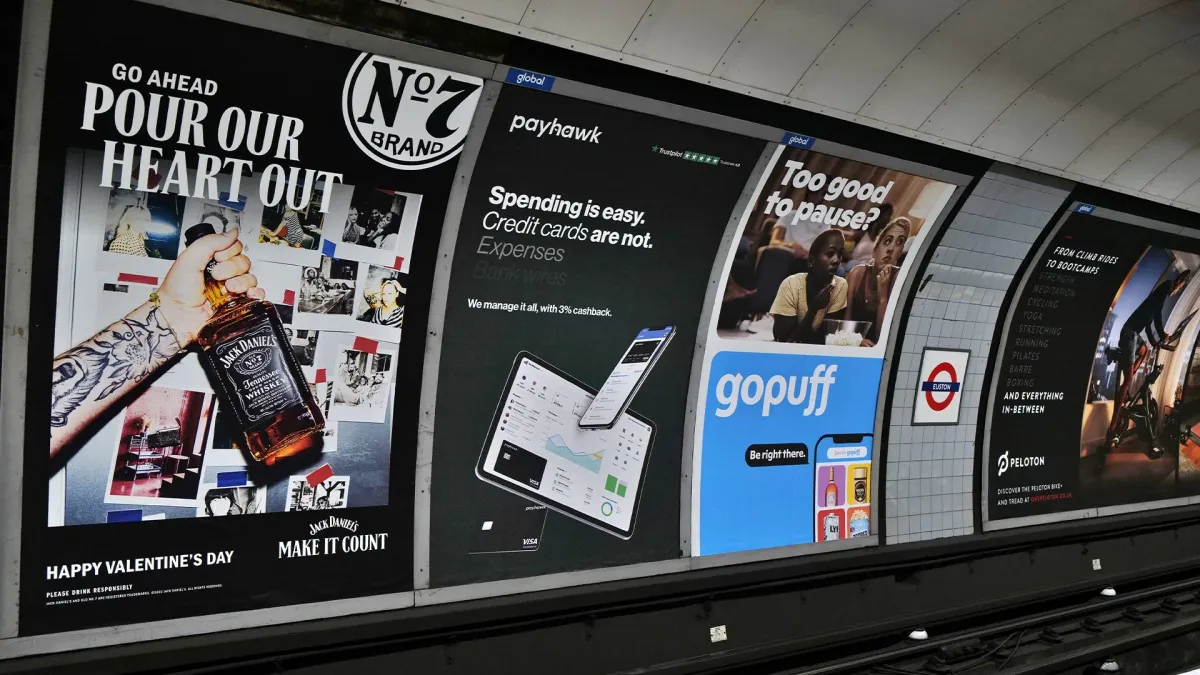
Advertising on the London Underground, also known as the Tube, is one of the most effective ways to reach a wide and diverse audience in London. However, running a successful advertising campaign in this iconic network requires strategic planning, understanding the audience, creative execution, and careful budgeting. This guide provides a step-by-step approach to planning a London Underground advertising campaign.
1. Define Your Objectives
The first step in planning any advertising campaign is defining the objectives. What do you want to achieve with your Tube advertising campaign? Common objectives include:
- Brand Awareness: This is ideal for businesses looking to increase visibility and recognition. For instance, a new fashion brand or tech company can use Tube posters to introduce itself to London commuters.
- Product Launch: If you are launching a new product or service, the Underground offers a platform to showcase it to thousands of potential customers daily.
- Event Promotion: Music festivals, theatrical performances, or conferences can leverage the Tube to drive attendance and create buzz around events.
- Targeted Engagement: Some campaigns aim to reach specific demographics, such as business commuters, students, or tourists.
A clearly defined objective will guide the choice of locations, creative formats, and measurement strategies.
2. Understand Your Audience
Understanding the audience is critical for a successful London Underground advertising campaign. The Tube serves a highly diverse population, and campaigns must be tailored to resonate with specific commuter groups. Key considerations include:
- Demographics: Age, occupation, lifestyle, and income levels can determine which stations and lines are most effective. For example, the Central Line serves many professionals commuting from suburban areas.
- Time and Location: Consider when your audience is likely to be traveling. Morning and evening peak hours have heavy commuter traffic, while weekends may attract tourists and leisure travelers.
- Behavior Patterns: Understand how passengers interact with advertising. Digital screens and motion graphics engage attention better in busy stations, while large posters or train wraps are more effective for longer exposure.
3. Choose the Right Advertising Format
The London Underground offers multiple advertising formats, each with unique advantages. Selecting the right format depends on campaign objectives, budget, and creative assets.
- Posters: Traditional poster formats are highly visible at station entrances, platforms, and concourses. They are ideal for brand awareness campaigns with simple & bold messages.
- Digital Screens: LED and LCD screens allow for dynamic content, motion graphics, and video. They are perfect for interactive campaigns or time-sensitive messaging.
- Platform and Train Wraps: Covering trains or platforms with branded visuals creates high-impact exposure. Train wraps are memorable and can dominate commuters’ attention.
- Interactive and Experiential Ads: QR codes, NFC-enabled ads, or AR experiences can drive engagement by linking physical ads to digital content.
The choice of format should align with your campaign objectives and the message you want to deliver. For example, a short, bold message may work best on a poster, whereas an experiential campaign could benefit from interactive digital screens.
4. Plan Locations Strategically
Location is one of the most critical factors for Tube advertising. High-traffic stations provide maximum exposure, while targeted locations allow advertisers to reach specific demographics.
- High Footfall Stations: Oxford Circus, Victoria, King’s Cross, and Waterloo are among the busiest stations and provide broad visibility.
- Targeted Neighborhood Stations: Stations in affluent neighborhoods or near universities may be ideal for niche campaigns.
- Lines and Routes: Selecting lines that connect major hubs can optimize reach. For example, the Central Line passes through key commercial and shopping areas, making it suitable for retail campaigns.
Another consideration is dwell time, the average time a passenger waits on a platform. Longer dwell times increase the likelihood that passengers will notice and engage with the advertisement.
5. Design Creative for Maximum Impact
Creative design plays a pivotal role in capturing attention in the fast-paced environment of the Tube. Effective campaigns consider the following principles:
- Simplicity: The message must be clear and easily digestible. Passengers often glance at ads for only a few seconds, so brevity is essential.
- High Contrast and Visibility: Bold colors, large text, and striking imagery help the ad stand out among other visual stimuli in the station.
- Sequential Storytelling: Escalator panels or multiple posters can tell a story in stages, creating a narrative that engages commuters as they move.
- Strong Branding: Ensure the logo and brand colors are immediately recognizable, even from a distance.
- Motion and Digital Effects: Animated or motion graphics on digital screens attract attention and are effective for interactive campaigns.
6. Budgeting and Timing
Budgeting is a key consideration in Tube advertising. Costs vary depending on the format, location, and duration of the campaign:
- Traditional Posters: Relatively affordable and suitable for small-scale campaigns.
- Digital Screens: Higher cost but offer dynamic content and interactivity.
- Train and Platform Wraps: Premium placements with high visual impact, but expensive.
Campaign duration also impacts cost and effectiveness. Typically, Tube campaigns run for 2–4 weeks minimum. Longer campaigns increase brand recall and engagement. Timing should align with product launches, seasonal events, or marketing initiatives.
7. Compliance and Approval
All advertisements on the London Underground must comply with Transport for London (TfL) guidelines. Failure to comply can delay campaign launch or result in rejection, so early planning and review are essential.
8. Measure Campaign Effectiveness
Measuring the success of a Tube advertising campaign ensures accountability and informs future campaigns. Key metrics include:
- Footfall and Impressions: TfL provides estimated daily passenger numbers per station.
- Engagement Metrics: Track QR code scans, website visits, app downloads, or social media interactions.
- Brand Lift Studies: Surveys before and after the campaign can measure increases in brand recognition and recall.
- Sales Impact: Monitor sales or conversions to understand direct campaign ROI.
Combining physical campaign metrics with digital tracking creates a holistic view of campaign performance.
9. Integrate With Multi-Channel Campaigns
For maximum impact, integrate London Underground advertising with other marketing channels:
- Digital Advertising: Use social media and online ads to reinforce the Tube campaign.
- Public Relations: Media coverage can amplify awareness of large-scale campaigns.
- Experiential Marketing: Interactive installations in stations can generate buzz and social media sharing.
This multi-channel approach ensures your message reaches commuters both on and off the Tube.
Latest News

16 Jan 2026 · 4 minute read
by Charlotte Williams
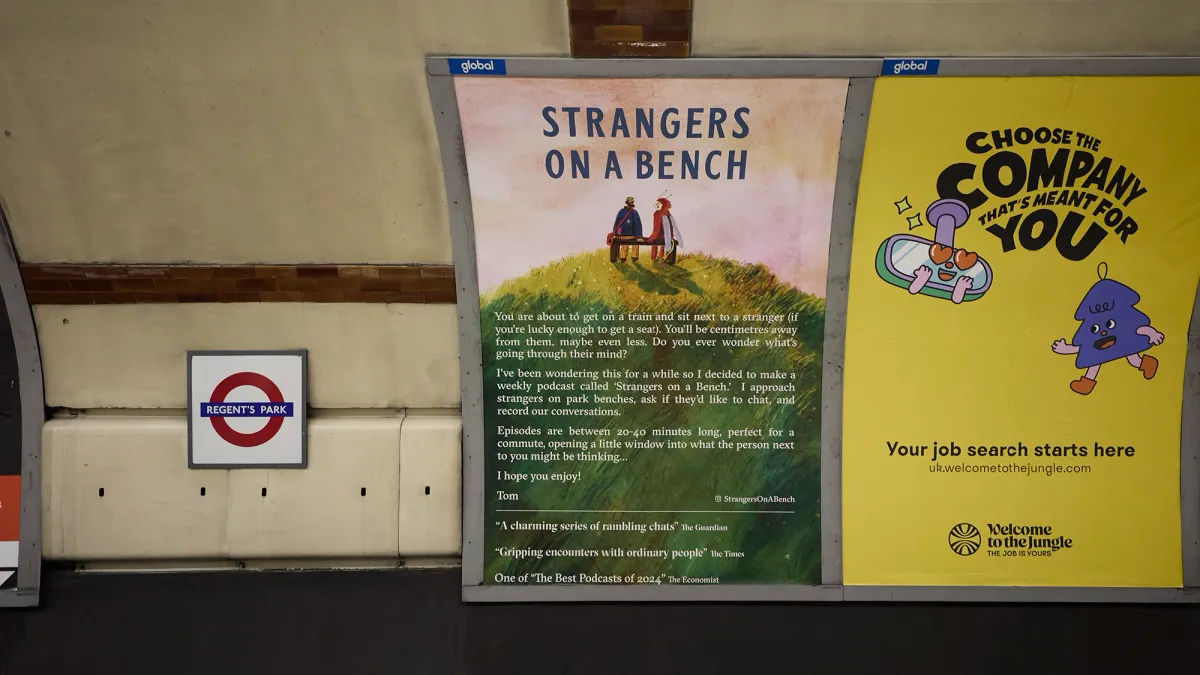
When Aperol Spritz Dominated Summer Out of Home Advertising
10 Jul 2025 · 3 minute read
by Lilly Ashford
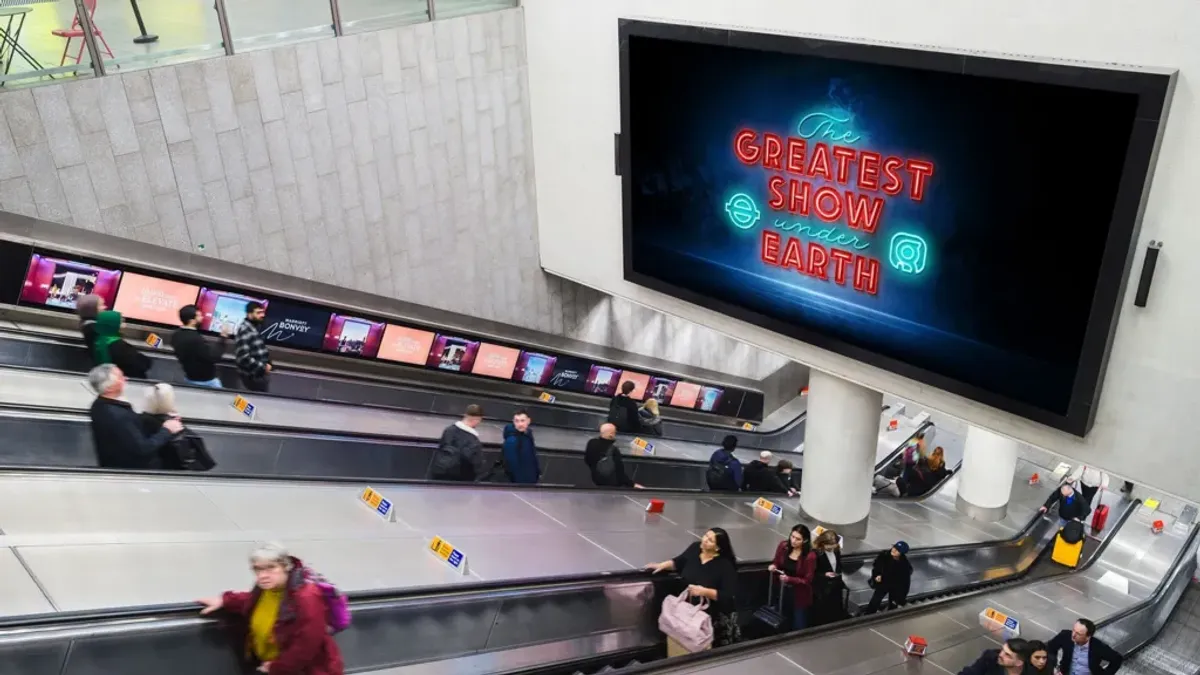
The Greatest Show Under Earth: A Multi-Sensory Revolution on London’s Elizabeth Line
Our Valuable Clients, Past and Present


Schedule a call
Pick a date and time for a call that suits you.
We can go through all the available format options and any other questions you have about successfully launching your next advertising campaign.
Launch Your Tube Campaign Today!
Get your brand in front of millions of Londoners and tourists as they move through the city. Just fill in your details on the form to advertise on the London Underground and our expert team will be in touch to kickstart your journey towards standout, high-impact results.
Join thousands of brands that stand out and connect with the transport network’s users.