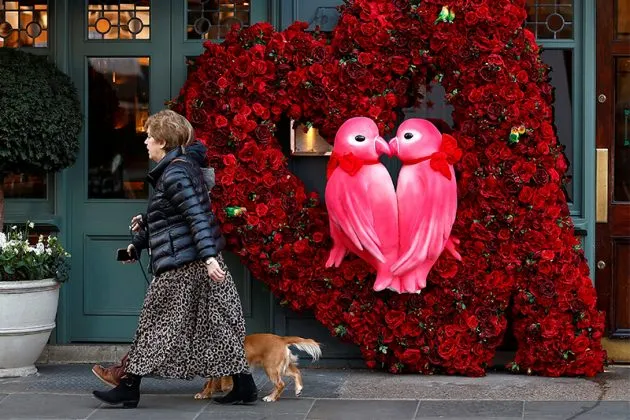
Valentine’s Day Advertising in London: A Practical Guide for Brands
Valentine’s Day is one of those cultural moments that sneaks up on advertisers every year. It is predictable, overexposed and yet still incredibly powerful when handled well. In a city like London, where movement, mood and mass participation collide, Valentine’s Day becomes less about the date itself and more about the days and journeys around it.
For brands planning out of home or experiential activity, the opportunity lies in understanding where people are going, how they are getting there, and what kind of messaging actually feels welcome at that point in the year.
Valentine’s Day Events and Where People Go
London’s Valentine’s calendar stretches well beyond the evening of 14th February. West End theatres see a spike in couples booking midweek shows, cinemas roll out themed screenings, restaurants across Soho, Covent Garden and Shoreditch fill up with set menus, and immersive experiences such as pop-up bars or themed installations tend to run across the full week.
Cultural venues also lean into the moment. Museums often programme late openings, while live music venues host Valentine’s or anti Valentine’s events aimed at singles and groups of friends. This creates a broad emotional spectrum that brands can tap into, from romance to humour to quiet self-awareness.
What matters for advertisers is that these audiences are moving in predictable patterns, often during peak evening travel windows, and usually via central transport hubs.
How Audiences Travel by Tube Around Valentine’s Day
The London Underground plays a central role in Valentine’s Day behaviour. Stations serving theatre districts such as Leicester Square, Covent Garden and Piccadilly Circus see increased evening footfall, particularly from midweek onwards. Soho and Chinatown are fed heavily by Tottenham Court Road and Oxford Circus, while Shoreditch and East London date spots pull traffic through Old Street and Liverpool Street.
Weekday Valentine’s activity often peaks between 5.30pm and 7.30pm, as commuters head directly from work to plans. Weekend activity spreads more evenly throughout the afternoon and evening, especially for brunch dates, exhibitions and casual meet ups.
For advertisers, this makes tube stations, corridors and platforms powerful touchpoints. They reach people when plans are top of mind, phones are out, and emotional context is already set.
Valentine’s Campaigns That Got It Right
Some of the most memorable Valentine’s campaigns have worked because they avoided trying too hard. Twitter’s 2020 Valentine’s Day campaign stood out by leaning into awkward dating humour, using real conversations to cut through the sea of romantic clichés. Instead of selling love, it sold relatability, and audiences responded to that honesty.
Food and drink brands have also found success by focusing on shared rituals rather than grand gestures. Pizza, snacks and casual dining often perform well by positioning themselves as part of real-life celebrations, whether that is a low-key date night or a group dinner with friends.
What these campaigns have in common is restraint. They respect the cultural moment without overwhelming it, and they trust the audience to fill in the emotional gaps themselves.
What Kind of Artwork Works Around Valentine’s Day
Valentine’s Day artwork tends to fail when it leans too heavily on predictable symbolism. Hearts, roses and scripted romance can feel dated, especially to younger audiences who are often more sceptical of the day itself.
The strongest creative usually focuses on simple, confident messaging with a clear emotional hook. Humour works particularly well, especially self-aware humour that acknowledges the awkwardness or pressure of the day. Minimal copy, bold typography and a single strong idea tend to outperform overly designed layouts.
There is also room for warmth and intimacy, but it needs to feel human rather than manufactured. Close up photography, candid moments or everyday scenarios often land better than polished studio shots. In out of home environments, clarity beats complexity every time.
Why Valentine’s Day Still Matters for Advertisers
Despite the eye rolling it often attracts, Valentine’s Day remains a rare moment when people are emotionally receptive in public spaces. They are thinking about relationships, identity and connection, whether positively or critically. That makes it a valuable activation window for brands that understand nuance.
In London especially, where the Underground connects every plan, every date and every last-minute change of heart, out of home advertising becomes part of the experience itself. The brands that win are the ones that show up with relevance, timing and a creative idea that feels like it belongs in the city, not one that talks down to it.
Latest News
22 Apr 2026 · 3 minute read
by Khuzaima Yamman
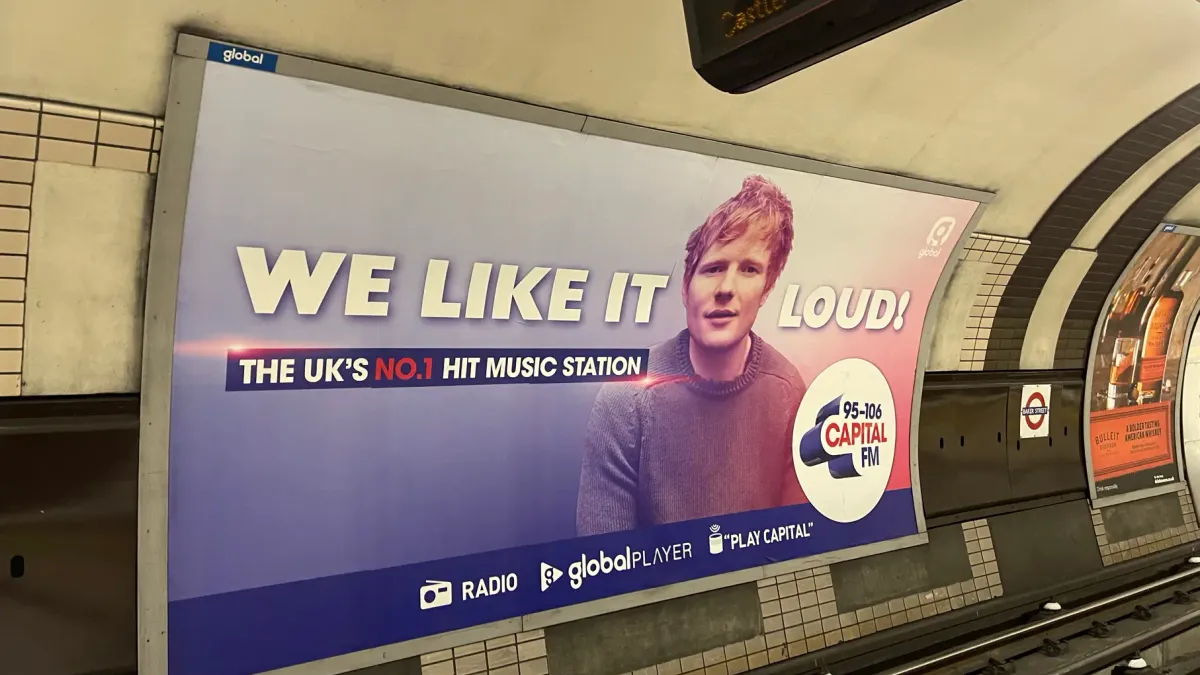
Why is London Underground advertising considered high-impact?
23 Sep 2026 · 8 minute read
by Aneesa Umber
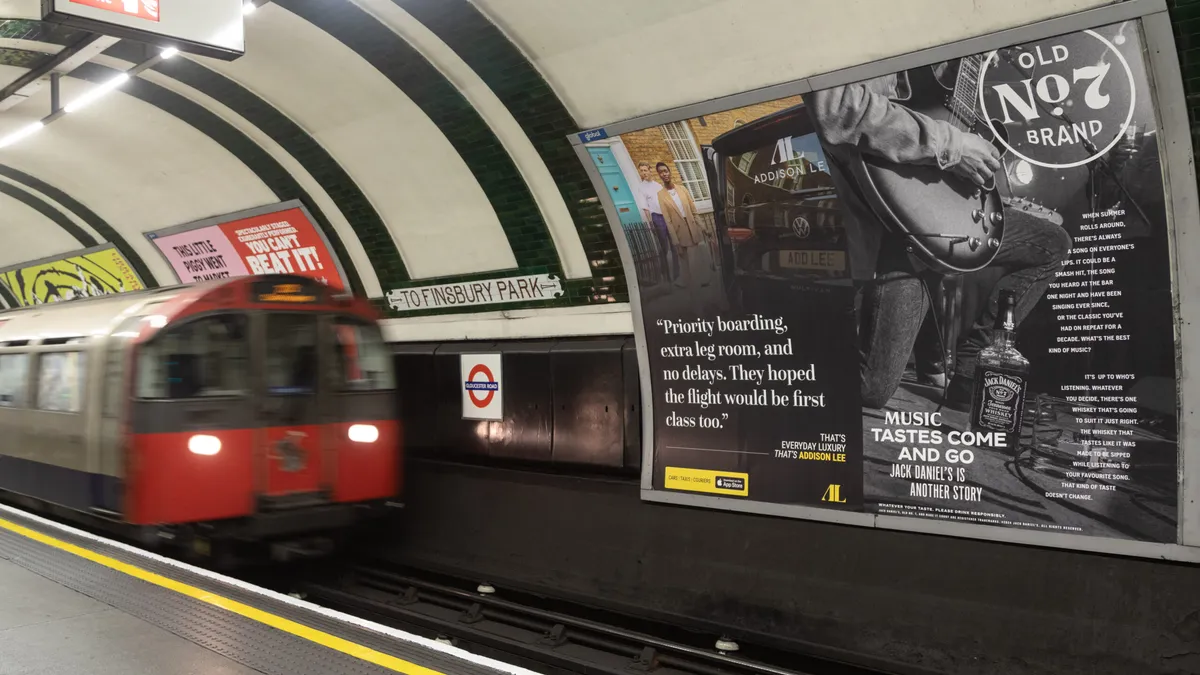
How Contextual Creative Improves London Underground Campaigns

03 Jun 2025 · 5 minute read
by Lilly Ashford
Marvel on the Move: Iconic London Underground Moments in the MCU
Our Valuable Clients, Past and Present


Schedule a call
Pick a date and time for a call that suits you.
We can go through all the available format options and any other questions you have about successfully launching your next advertising campaign.
Launch Your Tube Campaign Today!
Get your brand in front of millions of Londoners and tourists as they move through the city. Just fill in your details on the form to advertise on the London Underground and our expert team will be in touch to kickstart your journey towards standout, high-impact results.
Join thousands of brands that stand out and connect with the transport network’s users.