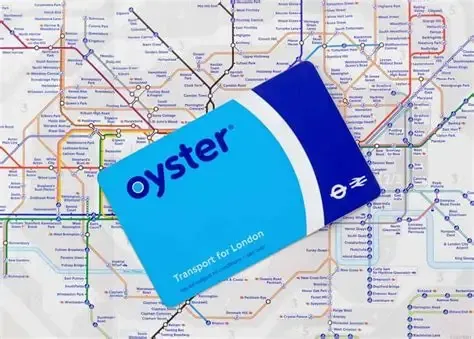
London New Tube Fares 2026: What to Expect
Each year, fare changes across London’s transport network spark discussion among commuters, businesses and visitors alike. With 2026 approaching, attention has once again turned to pricing across the capital’s Underground system.
Operated by Transport for London, the London Underground remains one of the busiest and most recognisable metro networks in the world. Any adjustment to fares inevitably affects millions of journeys per day.
Here is a broad look at how Tube fare changes typically work, why they happen and what 2026 may mean for passengers.
Why Tube Fares Change
Tube fares are usually reviewed annually and are often linked to inflation measures. Rising operational costs, infrastructure investment and government funding structures all influence pricing decisions.
Transport for London relies on a combination of fare revenue, government support and commercial income. Compared to many global metro systems, London’s network depends heavily on passenger revenue. This means changes in ridership, economic pressures or funding agreements can have a direct impact on ticket prices.
Fare adjustments are typically introduced at the start of the financial year in spring, although announcements are often made months in advance.
What Could Change in 2026
While final figures are usually confirmed closer to implementation, fare updates often affect several areas of travel, including pay-as-you-go caps, single journey fares and Travelcards.
Peak and off-peak pricing structures may also be reviewed. London’s zonal system means that increases can vary depending on how far passengers travel and at what time of day.
For many commuters, daily and weekly caps are particularly important. These caps are designed to ensure passengers do not pay more than a set amount within a given period when using contactless or Oyster payment methods. Even small percentage changes can add up over a year for regular travellers.
The Impact on Commuters
For daily commuters travelling into central London, even modest fare increases can affect monthly budgets. Those travelling across multiple zones may feel changes more significantly than short-distance travellers.
However, fare caps and concessions continue to play an important role in mitigating impact. Discounts for children, students and older passengers remain central to the structure of London’s transport pricing.
Hybrid working patterns also influence how fare changes are felt. With many employees travelling fewer days per week compared to pre-2020 norms, some commuters rely more on pay-as-you-go travel rather than traditional season tickets.
What It Means for Businesses
Changes to Tube fares also affect businesses operating in central London. Transport costs influence footfall, commuting decisions and even recruitment patterns.
Retail, hospitality and event venues often monitor fare changes closely, as travel affordability can shape consumer behaviour. If commuting becomes more expensive, discretionary trips may reduce slightly, particularly during quieter economic periods.
At the same time, London remains a global hub for finance, culture and tourism. The Underground system continues to be essential infrastructure that supports economic activity across the capital.
Balancing Investment and Affordability
One of the challenges facing Transport for London is balancing affordability with long-term investment. The Underground network requires continuous upgrades, maintenance and safety improvements. Projects ranging from signalling modernisation to accessibility upgrades demand significant funding.
Fare adjustments are part of ensuring the system remains reliable and efficient. For passengers, this can feel frustrating, but from an infrastructure perspective, reinvestment is crucial to maintaining service standards across a network that serves millions daily.
Looking Ahead
As 2026 approaches, commuters are advised to monitor official announcements from Transport for London regarding confirmed pricing structures. Understanding how daily caps, zones and peak travel are affected can help passengers plan and potentially adjust travel patterns if needed.
While fare increases are rarely welcomed, they are part of the broader economic and operational realities of running one of the world’s largest metro systems.
For Londoners and visitors alike, the Tube remains the fastest and most efficient way to move across the city. Any changes in 2026 will form part of the ongoing effort to keep London connected, accessible and moving forward.
Latest News
15 Jul 2026 · 2 minute read
by Khuzaima Yamman
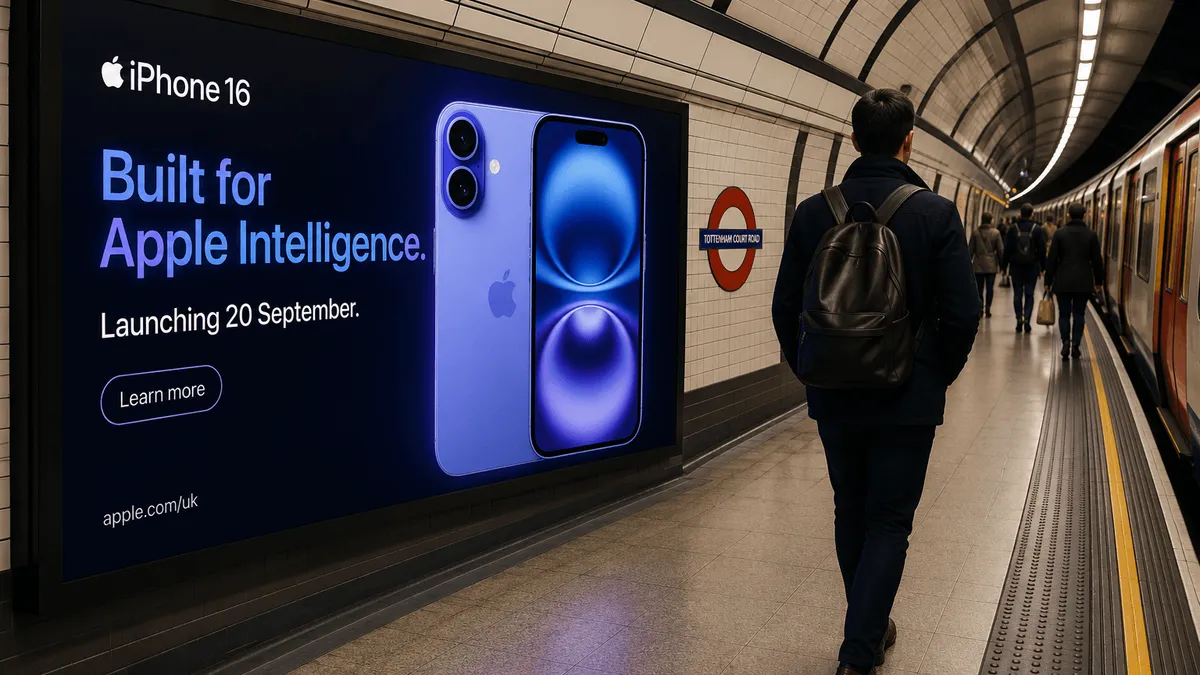
Why Tech Companies Choose London Underground Advertising for Product Launches
22 Oct 2025 · 5 minute read
by Anisha Lyall
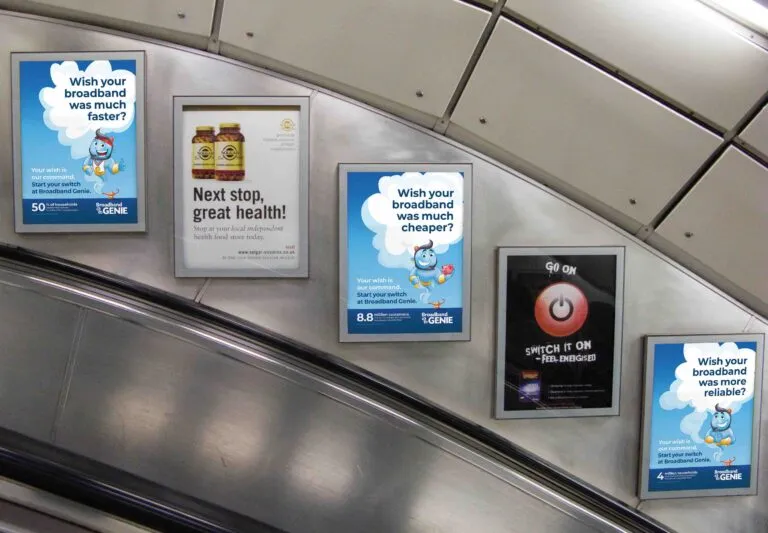
Budget-Friendly Advertising Options for Small Businesses on the London Underground
Our Valuable Clients, Past and Present


Schedule a call
Pick a date and time for a call that suits you.
We can go through all the available format options and any other questions you have about successfully launching your next advertising campaign.
Launch Your Tube Campaign Today!
Get your brand in front of millions of Londoners and tourists as they move through the city. Just fill in your details on the form to advertise on the London Underground and our expert team will be in touch to kickstart your journey towards standout, high-impact results.
Join thousands of brands that stand out and connect with the transport network’s users.