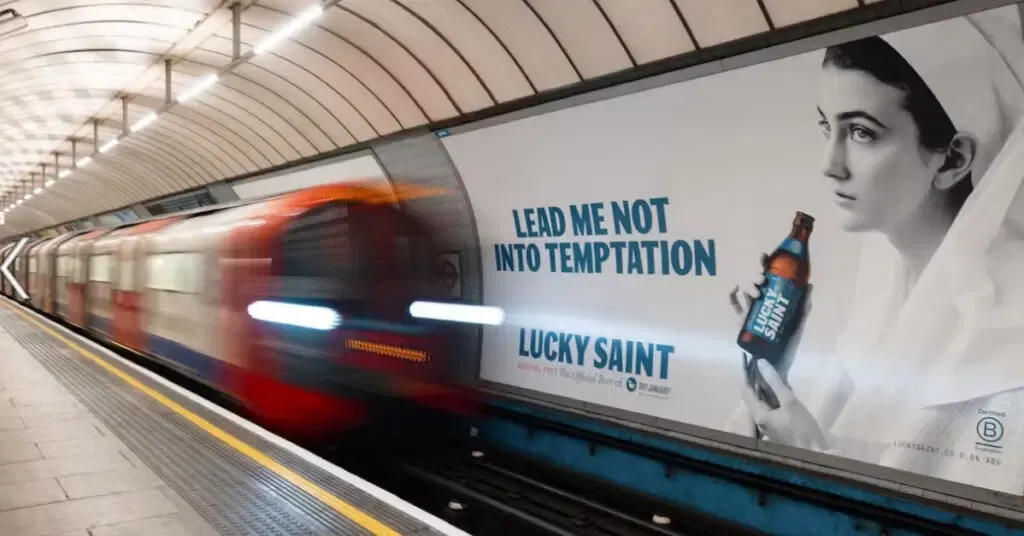
Food and drink brands can use Tube advertising to promote new products, increase restaurant visits, support supermarket sales and build recognition among London consumers. Advertising across Underground stations, platforms and trains allows brands to reach people during journeys to work, shopping districts, entertainment venues and residential areas.
For restaurants, coffee shops, supermarkets and packaged food brands, the opportunity lies in matching the advertising message to where customers travel and when they are likely to make a purchase.
Transport for London (TfL) recorded approximately 1.216 billion Underground passenger journeys in 2024/25, illustrating the scale of the network. However, reaching the right audience matters as much as overall passenger numbers.
A successful food or drink campaign needs suitable locations, relevant creative and an understanding of TfL's advertising restrictions.
Why Tube Advertising Works for Food and Drink Brands
Food and drink purchases are closely connected with everyday routines. People buy coffee before work, pick up lunch during the day, visit supermarkets on their way home and choose restaurants for evenings out.
The Underground connects many of these activities.
For brands with physical locations, advertising near relevant stations can encourage people to consider a nearby store or restaurant. For packaged food and drink manufacturers, a wider campaign can introduce products to consumers before they encounter them in supermarkets.
Tube advertising can support several objectives:
- Product launches: Introduce a new drink, snack or food range to London consumers.
- Store visits: Promote restaurants, cafes and supermarkets near selected stations.
- Brand awareness: Establish recognition for products sold across multiple retailers.
- Seasonal promotions: Support summer drinks, Christmas food ranges and other seasonal campaigns.
- Customer acquisition: Encourage first visits through relevant offers or new store announcements.
The most suitable approach depends on whether customers can buy the product nearby or need to remember the brand for a later purchase.
How Different Food and Drink Businesses Can Use Tube Advertising
Restaurants and Fast Casual Dining
Restaurants can use Tube advertising to reach people travelling towards dining districts, shopping areas and entertainment destinations.
For example, a restaurant opening near Covent Garden could advertise at relevant stations with a clear message about its location and opening date.
A restaurant group with several London branches may benefit from a wider selection of stations, allowing each advert to promote the nearest participating location.
For evening dining, stations around Soho, Leicester Square and the West End may be relevant because of their proximity to theatres, entertainment and restaurants.
The creative should help passengers make a practical decision. A restaurant name, recognisable visual and accurate walking distance can communicate the offer quickly.
Coffee Shops and Breakfast Brands
Coffee shops can use Tube advertising to reach commuters during morning journeys.
Stations serving office districts, transport interchanges and commercial centres may be suitable for brands promoting breakfast menus, coffee subscriptions or new locations.
For example, a coffee chain with branches near Liverpool Street and Canary Wharf could run a campaign highlighting its morning range.
Where suitable digital inventory and scheduling are available, brands may be able to prioritise breakfast messaging during the morning and use different creative later in the day.
The objective is to make the brand familiar and relevant when commuters are considering their next purchase.
Supermarkets and Grocery Retailers
Supermarkets can use Tube advertising to promote store openings, product ranges and seasonal shopping occasions.
A grocery retailer opening a new branch near a residential Underground station could advertise locally before and after the launch.
Larger supermarket chains may use network campaigns to support brand awareness or promote approved product ranges.
Campaigns can also be planned around specific shopping occasions, such as Easter, summer entertaining or Christmas.
For supermarkets, the proximity of advertising to relevant stores is especially useful when the objective is increasing visits rather than general awareness.
Packaged Food and Soft Drink Brands
Food manufacturers and drinks companies can use Tube advertising to build product recognition before customers visit a supermarket or convenience store.
A bottled water brand could use platform posters to introduce new packaging or communicate an approved product message.
A tea or coffee manufacturer might run a wider campaign across commuter stations to support retail distribution.
For new products, the creative should make the packaging easy to recognise. This helps connect the advertisement with the product customers may later see on a shelf.
These campaigns can also complement supermarket promotions, digital advertising and other consumer marketing activity.
All proposed food and non-alcoholic drink creative must be assessed against TfL's nutritional advertising restrictions.
Which Tube Advertising Formats Suit Food and Drink Campaigns?
Different Underground advertising formats serve different purposes. The choice depends on whether the brand wants broad awareness, local visibility or a message that passengers have more time to read.
Digital Screens for Product Launches and Promotions
Digital 6 Sheet and Digital 12 Sheet displays can support product launches, promotional campaigns and visually engaging food advertising.
Motion and creative changes may be available depending on the selected screen and booking package.
A drinks brand launching a new product could use bold packaging visuals across selected stations. A coffee chain could promote an approved breakfast range at locations relevant to morning commuters.
Digital campaigns may also support different messages across locations or times of day, subject to the capabilities of the booked inventory.
Escalator Panels for Repeated Brand Exposure
Escalator panels appear alongside passengers as they travel between station levels.
They can suit simple food and drink advertising built around a recognisable product, a short message and consistent branding.
For example, a coffee brand could use a sequence of panels featuring its packaging and a concise campaign message.
Advertisers considering central London locations can also review our guide to the best Zone 1 stations for Tube escalator advertising.
Platform Posters for Product Recognition
Cross track posters and other platform formats reach passengers while they wait for trains.
This environment can suit campaigns that depend on strong visual recognition.
A bottled drinks brand might use a large product image with minimal copy. A restaurant chain could promote a new location or approved menu range.
The message should remain understandable from the expected viewing distance.
Tube Car Panels for Brand Stories
Advertising inside Tube carriages reaches passengers during their journeys.
Tube Car Panels can suit food and drink brands that need space to explain a product, introduce a new range or communicate a more detailed message.
For example, a speciality coffee company could explain its product range or brand story through a concise advert.
The design should remain readable in a busy carriage, with a clear hierarchy between the headline, product information and call to action.
Which London Underground Stations Are Best for Food and Drink Advertising?
The best stations depend on the brand's customer base, store locations and campaign objectives.
A restaurant promoting a single branch should prioritise stations within a practical distance of the venue. A supermarket chain may want broader coverage across residential and commuter routes.
Several areas are worth considering.
Oxford Circus and Tottenham Court Road
These stations serve major shopping streets, offices and entertainment destinations.
They may be relevant for coffee shops, quick service restaurants, consumer drinks brands and food retailers targeting shoppers and professionals.
Liverpool Street and Bank
Liverpool Street and Bank serve major employment districts and transport connections.
They may suit coffee brands, breakfast products, lunch offers and food businesses targeting weekday workers.
Leicester Square and Covent Garden
These stations provide access to the West End's restaurants, theatres, shops and visitor attractions.
Restaurants, dessert businesses and hospitality brands may find these areas relevant for campaigns aimed at people planning leisure activities.
Canary Wharf
Canary Wharf is a major business district with offices, shops and restaurants.
Food and drink brands can consider the area for campaigns aimed at professionals, including coffee, lunch and after work dining.
Residential and Neighbourhood Stations
Local stations may be especially useful for independent restaurants, takeaway businesses, supermarkets and coffee shops.
For example, a restaurant opening near Clapham Common may benefit more from a focused local campaign than from advertising at a distant central London station.
Station selection should follow the actual customer catchment area, available advertising inventory and campaign budget.
How Can Food and Drink Brands Turn Tube Advertising Into Store Visits?
For businesses with physical locations, the advert should give passengers a clear reason to visit.
A campaign promoting a restaurant near a station could include the venue name, location and an accurate walking time.
A supermarket opening could feature its opening date and address.
A coffee shop could highlight an eligible introductory offer alongside its nearest branch.
Three practical considerations can improve the campaign:
- Location relevance: Select stations connected to the stores or venues being promoted.
- Clear directions: Use accurate local information that passengers can understand quickly.
- Consistent availability: Ensure promoted products and offers are available at the relevant locations during the campaign.
Brands should also consider what happens after the advert is seen.
Customers may search for the business online, check opening hours or look for directions. Accurate Google Business Profile information, landing pages and store details can support that journey.
A Tube advert can create interest, but the purchasing experience needs to support the promise made in the campaign.
What Food and Drink Advertising Restrictions Apply on the Tube?
Food and drink advertisers must comply with TfL's advertising policy and applicable UK advertising rules.
This is particularly important for brands promoting products high in fat, salt or sugar.
TfL Restrictions on HFSS Products
Since February 2019, TfL has restricted advertising that directly or indirectly promotes food and non-alcoholic drinks classified as high in fat, salt or sugar, commonly referred to as HFSS products.
The policy applies across TfL's advertising estate, including the London Underground.
Under TfL's advertising policy, brands may need to demonstrate that the product being advertised is compliant or that an applicable exception has been granted.
This can affect advertisements for confectionery, certain snacks, desserts, sugary drinks and other products, depending on their nutritional classification.
Importantly, the restrictions do not automatically prohibit an entire food brand from advertising.
A company may be able to promote compliant products or submit suitable alternative creative.
TfL's advertising reports have documented instances where brands revised their advertisements to meet the policy.
Can Fast Food Brands Advertise on the Tube?
Yes, fast food businesses can advertise on the London Underground when their campaigns meet TfL's advertising requirements.
However, advertisements promoting restricted HFSS products may not be approved.
A restaurant chain may need to use compliant menu items or other approved creative, depending on the content and applicable policy.
The product, imagery and overall message should be assessed before production.
Can Alcohol Brands Advertise on the Tube?
Alcohol advertising is subject to additional rules, including audience targeting and creative restrictions.
The UK CAP Code's alcohol advertising rules prohibit alcohol marketing directed at under 18s and restrict placements where 25% or more of the audience is under 18.
Alcohol advertisements must also avoid encouraging irresponsible drinking or using content with particular appeal to children.
Brands should confirm the applicable TfL requirements, media placement restrictions and creative approvals before booking.
Additional UK Food Advertising Rules
Food advertisers should also consider the wider UK advertising framework, including restrictions introduced in January 2026 for certain less healthy food and drink advertisements on television and online.
Those restrictions have a different scope from TfL's outdoor advertising policy.
The ASA's guidance on HFSS media placement explains the distinction and the requirements relevant to outdoor advertising.
Early compliance checks are particularly important for product launches and seasonal campaigns where creative production and booking deadlines may be close together.
When Should Food and Drink Brands Advertise on the Tube?
Food and drink advertising can be relevant throughout the year, but certain periods may align more closely with purchasing behaviour.
January may suit brands promoting compliant food ranges, non-alcoholic drinks and products connected with changing consumer routines.
Spring and summer can be relevant for bottled water, refreshments, outdoor dining and hospitality.
September may suit coffee, breakfast and lunch campaigns as workplace and education routines resume.
November and December are important periods for supermarkets, restaurants and food retailers promoting approved seasonal ranges and festive dining.
Brands should also consider individual events, store launches and promotional calendars.
A restaurant opening in May should plan its advertising around that launch rather than waiting for a traditionally busy advertising period.
For broader planning considerations, see our guide to the best time of year to advertise on the London Underground.
How Can Food and Drink Brands Measure Tube Advertising Results?
Campaign measurement should reflect the type of business and the objective.
For restaurants and coffee shops, useful indicators include store visits, transactions, bookings and promotional redemptions.
Supermarkets may assess store traffic and sales of promoted product ranges where suitable data is available.
Packaged food and drink brands may focus on brand awareness, product consideration, retailer sales and changes in search interest.
Other measurement methods include:
- Comparing sales trends at advertised and comparable locations.
- Tracking branded search activity during the campaign.
- Monitoring visits to campaign landing pages.
- Using unique promotional codes where appropriate.
- Conducting brand awareness or recall studies.
- Reviewing estimated campaign reach and frequency.
These measures should be interpreted carefully. Sales and store visits can also be influenced by pricing, weather, other advertising, promotions and local events.
For stronger evidence, brands can compare results against a suitable baseline or control group.
Plan Your Food and Drink Tube Advertising Campaign
Food and drink brands can use the London Underground to reach consumers during daily journeys, promote nearby locations and support product launches across the capital.
At London Underground Advertising, we help restaurants, retailers and consumer brands select suitable stations, formats and campaign periods. Our team also supports creative requirements and advertising approvals.
Contact our team to discuss your campaign objectives, preferred locations and available advertising options.
FAQs
Can Food and Drink Brands Advertise on the London Underground?
Yes. Restaurants, coffee shops, supermarkets, food manufacturers and drinks companies can advertise on the London Underground, provided their campaigns meet TfL's advertising policy and applicable UK regulations. Products classified as high in fat, salt or sugar may face additional restrictions.
Which Tube Advertising Format Is Best for Restaurants?
Digital station screens, escalator panels and platform posters can all suit restaurant advertising. The best choice depends on the restaurant's location, target customers and campaign objective. Local station advertising may be particularly useful when the priority is encouraging nearby visits.
Can Food Brands Advertise New Products on the Tube?
Yes. Food and drink brands can use Tube advertising for product launches, subject to creative approval and product eligibility. Campaigns may use digital screens, platform posters and carriage advertising to introduce packaging, product benefits and retail availability.
Can Fast Food Chains Advertise on the London Underground?
Yes, provided the advertising complies with TfL's HFSS restrictions and other applicable rules. Fast food brands may be able to promote compliant menu items or approved alternative creative. Eligibility depends on the product and advertisement.
Can Tube Advertising Increase Restaurant Footfall?
Tube advertising can support restaurant footfall by building awareness and promoting venues near relevant stations. Results depend on the location, creative, offer and customer demand. Businesses can evaluate performance using bookings, transaction data and other suitable measures.
Can Food and Drink Brands Run Advertising at Specific Times of Day?
Selected digital Tube advertising packages may support scheduled creative or time based delivery, depending on the available inventory. This can be useful for breakfast, lunch and evening dining campaigns. Scheduling options should be confirmed before booking.
How Much Does Tube Advertising Cost for Food and Drink Brands?
The cost depends on the stations, advertising formats, number of placements, campaign duration and booking dates. Premium central London locations and larger formats may require higher budgets. A local restaurant campaign can be planned differently from a network wide product launch. Current rates require a tailored quotation.
Latest News

27 Nov 2025 · 2 minute read
by Penny Hargreaves
Dutch Barn Vodka Campaign Shows the Power of Tube and Bus Advertising

28 Apr 2026 · 3 minute read
by Khuzaima Yamman
Top Reasons Why London Underground Advertising Is Powerful for Any Brand
24 Mar 2026 · 4 minute read
by Lilly Ashford
Morgan Freeman brings star power to London Underground advertising
Our Valuable Clients, Past and Present


Schedule a call
Pick a date and time for a call that suits you.
We can go through all the available format options and any other questions you have about successfully launching your next advertising campaign.
Launch Your Tube Campaign Today!
Get your brand in front of millions of Londoners and tourists as they move through the city. Just fill in your details on the form to advertise on the London Underground and our expert team will be in touch to kickstart your journey towards standout, high-impact results.
Join thousands of brands that stand out and connect with the transport network’s users.